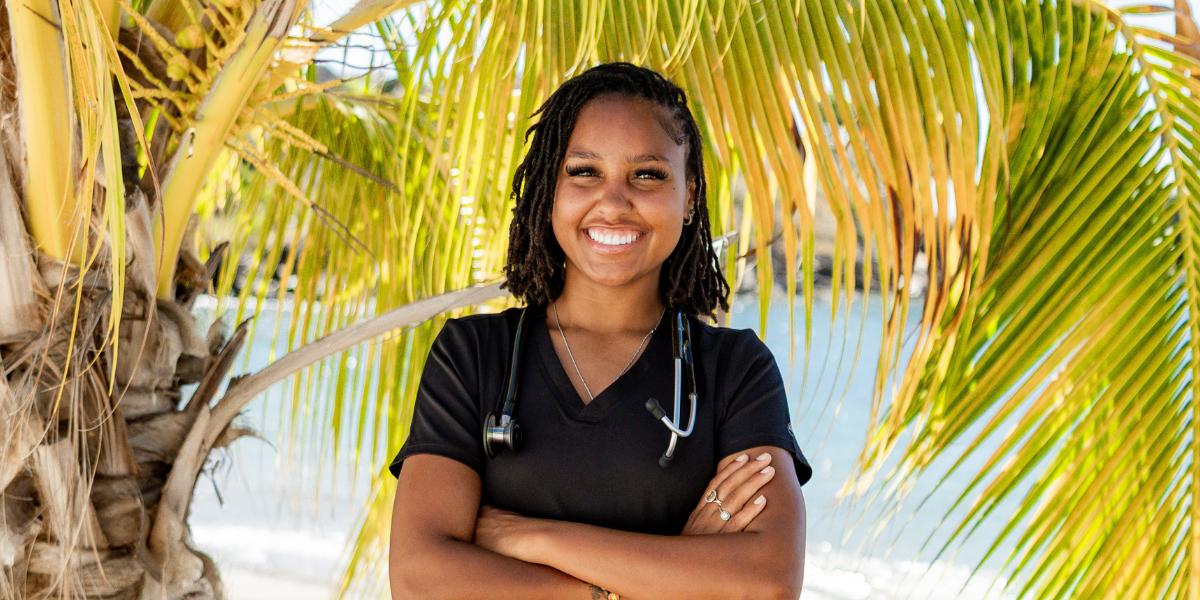
Before coming to St. George’s University, veterinary student Emerald King spent her days shadowing a local veterinarian. On one of their outings, they visited a Black family-owned farm, where the sights, sounds, and rhythms of the animals felt deeply familiar, echoes of her own childhood on a farm in Arkansas.
“When I stepped out of the truck, the family was surprised,” King recalled. Struck by seeing someone who looked like them, they immediately began asking King about her journey, wanting to know whether she planned to return to Arkansas as a veterinarian one day.
Later that day during a pregnancy check on the cattle, one of the young daughters of the family watched King and the lead veterinarian work with precision and confidence. After some encouragement, the girl tentatively stepped forward and asked King about veterinary medicine. She dreamed of following a path that King had already begun.
“In that moment, I understood how powerful representation is. Seeing someone who looks like you makes the goal feel attainable,” she said.
Black veterinarians remain rare. According to 2024 US Bureau of Labor Statistics data, only 1.2 percent of veterinarians are Black, making it one of the least racially and ethnically diverse professions in the country. Black physicians are similarly underrepresented, comprising just six percent of the US physician workforce, according to a 2025 KFF brief.
King’s story is one of many at SGU that illustrate how Black students’ identities and backgrounds shape not only their decision to pursue medicine or veterinary medicine, but also how they envision their future roles in the field: mentors, advocates, and trailblazers for the next generation.
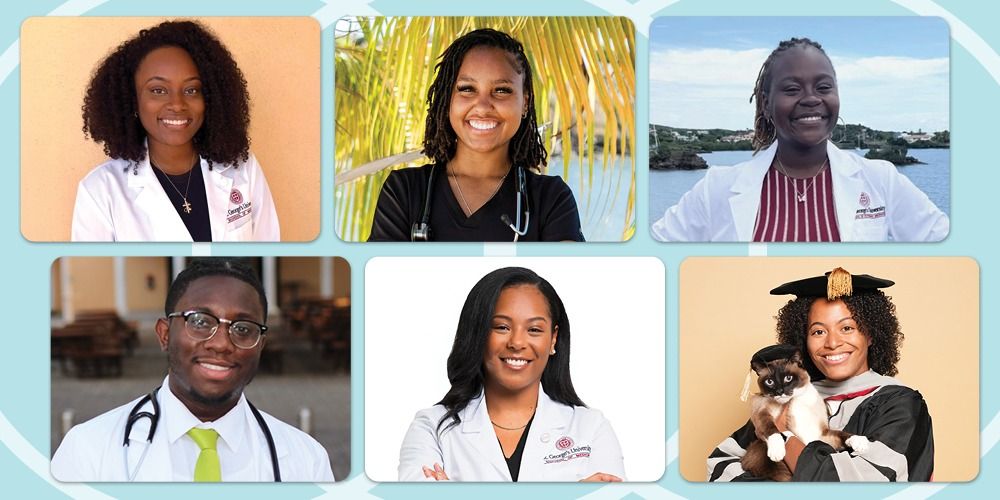
In honor of Black History Month, SGU spoke to current students and graduates of the School of Medicine (SOM) and School of Veterinary Medicine (SVM) to learn more about what representation in their fields means to them. Hear from:
- Janeal James, Term 3/4 MD student of Bolingbrook, IL
- Matthew Jones, Term 2 MD student of Yonkers, NY
- Misha Stevenson, Term 3 MD student and Spring 2026 president of the Student National Medical Association (SNMA) from Los Angeles, CA
- Teighlor Dukes, Term 2 DVM student of Jacksonville, FL
- Emerald King, Term 3 DVM/MPH student of Ogden, AR
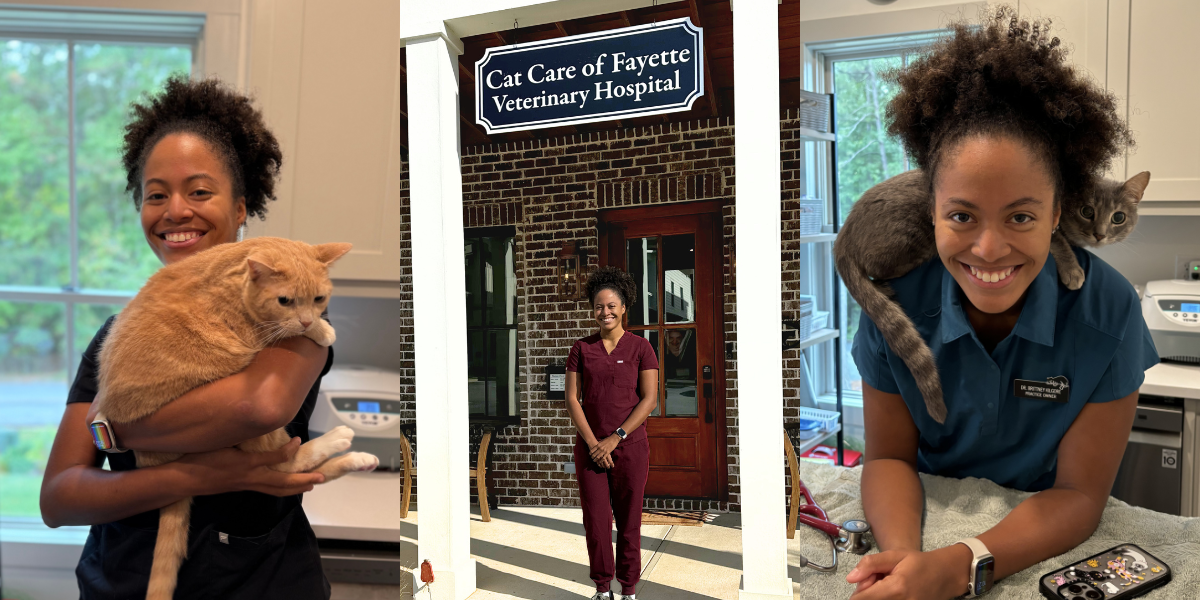
- Brittney Kilgore, DVM ’23, owner of Cat Care of Fayette Veterinary Hospital in Atlanta, GA
Lessons that became purpose
“My background has made me especially aware of how easily patients from marginalized communities can fall through the cracks, not because of lack of effort, but because of systemic gaps and miscommunication.” —Matthew Jones
One’s lived experiences can serve as a powerful motivator. These experiences shape the practices, ideas, and norms we choose to carry forward—or leave behind.
Janeal James remembers feeling overlooked as a patient, which undermined her quality of care. “Growing up, often times, my concerns were dismissed, put to the side or not taken seriously. It’s important to me to consider more from the patient’s point of view to get a well-rounded approach to caring for my future patients.”
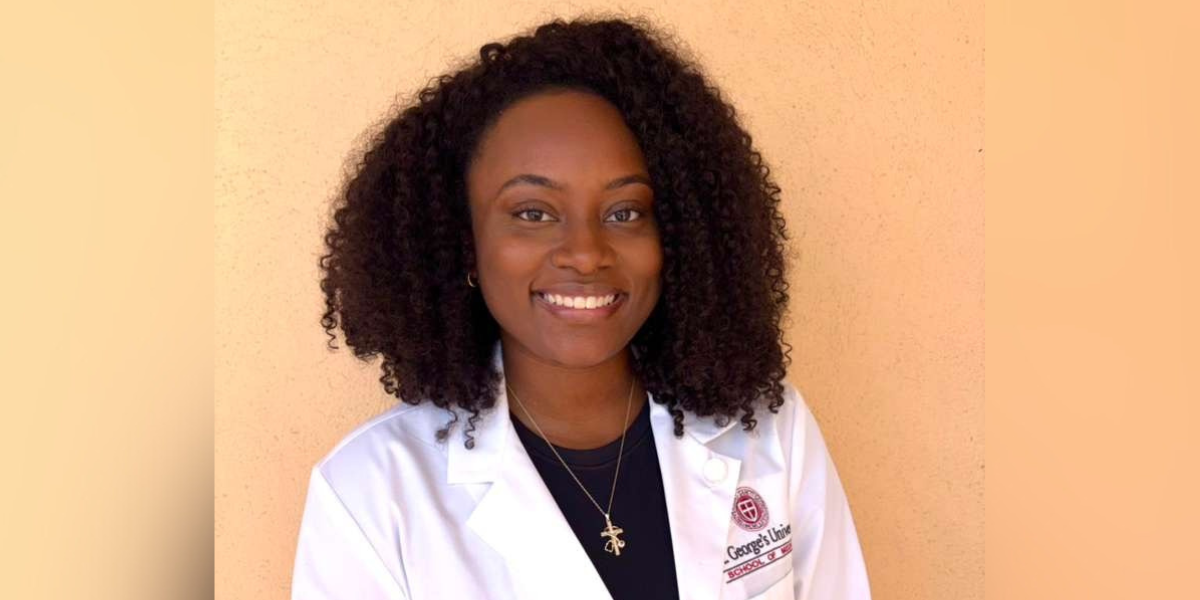
Misha Stevenson, who also serves as the Spring 2026 president of the Student National Medical Association (SNMA), had a similar experience: “Growing up, I rarely saw physicians who looked like me, which made the healthcare system feel distant and unrelatable. As I got older, I became more aware of how systemic barriers affect access to care, trust between patients and providers, and overall health outcomes.”
Furthermore, a loved one’s experiences can have just as profound an effect. Matthew Jones knows this firsthand watching his mother struggle with a chronic neurological condition. Jones came to understand the broader consequences of illness. As he explained, illness doesn’t just affect a patient physically; it can also affect finances, mental health, family dynamics, and dignity.
“As an adolescent navigating the rigors of high school, I didn’t have the language or understanding to process what was happening, Jones explained. “I just knew that the person who anchored my family was suddenly vulnerable, misunderstood at times, and dependent on a system that often felt fragmented.
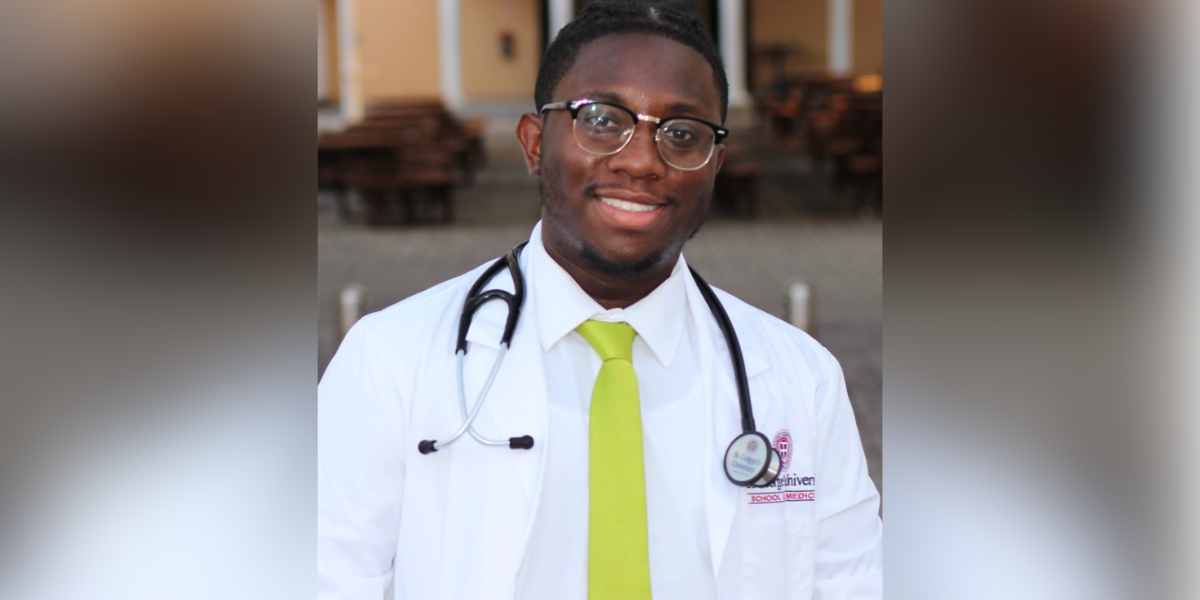
As a person of color, combined with his experience working as an EMT in underserved communities, Jones said he saw how cultural background, access, and trust in the healthcare system can directly influence outcomes, often long before anyone even reaches a hospital.
“In those moments, I realized how powerful it is when someone can explain what’s happening, make decisive choices, and advocate effectively,” he said. For Jones, these experiences solidified a goal of leading care with both expertise and empathy, ensuring patients are seen, understood, and supported.
The impact of being understood
“As a future physician, I aim to create a space where patients feel seen, respected, and heard. My experiences allow me to better understand the challenges faced by marginalized communities, and they will aid my approach to patient care, communication, and advocacy.” —Misha Stevenson
For the students and graduates at SGU, representation in medicine and veterinary medicine is far more than symbolic. It has a real, measurable impact on patient care, communication, and trust.
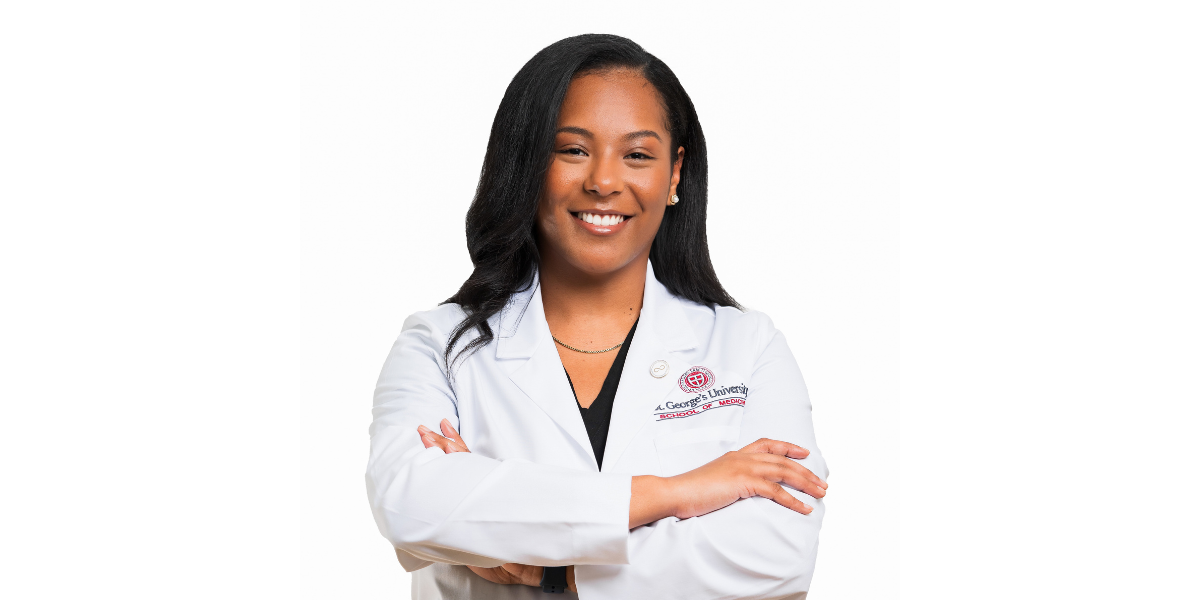
“Representation is important in medicine because it opens more trust and communication in underserved communities. When other minorities see a minority working in healthcare, they are more likely to put their trust in their provider, and it helps to bridge some of the gaps that we see in today’s medicine,” James said.
Stevenson added, “Representation builds trust, improves communication, and leads to better health outcomes. Many minority groups historically have been taken advantage of or written off, which can discourage them from seeking care. Seeing someone who reflects your experience matters.”
These experiences are supported by research. According to 2023 KFF survey data, Black, Hispanic, and Asian adults who have more health care visits with providers who share their racial and ethnic background more frequently report positive and respectful interactions. That trust translates to better adherence to treatment plans, more open communication, and improved long-term health outcomes.
Representation in veterinary medicine can be just as impactful. Dr. Arlette Herry, vice president for multicultural affairs and interim dean of the School of Arts and Sciences, explained:
“Representation across medicine, veterinary medicine, social sciences, business, biology, and other fields is essential because who participates in knowledge production and professional practice shapes whose experiences are understood, and whose communities are served. Diverse professional pipelines strengthen cultural competence, promote cultural humility, improve problem-solving, expand research agendas, and enhance trust between professionals and the populations they serve—particularly in global and resource-limited contexts.”
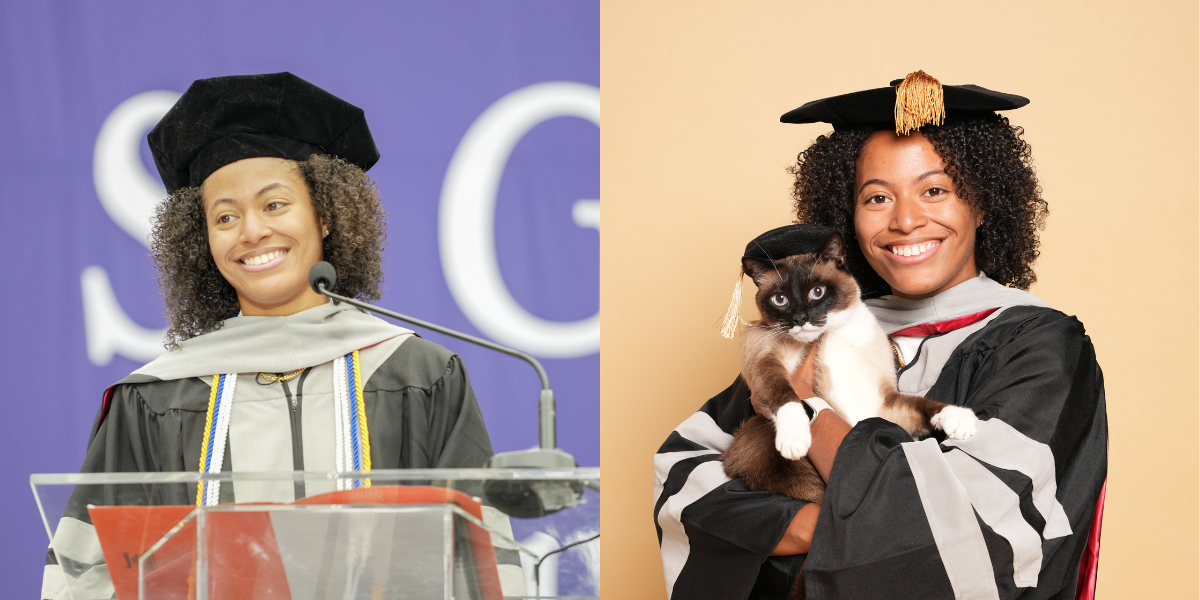
Dr. Brittney Kilgore builds on what representation can offer the field of veterinary medicine, believing that “representation helps people see what’s possible for themselves.” Students have told Dr. Kilgore that seeing her path in veterinary medicine gave them the confidence to pursue their own careers in the field, especially when they lacked role models in their own circles.
According to Dr. Kilgore, representation also helps clients feel more comfortable and understood, particularly in underserved communities where trust in professionals can be fragile.
“My first job out of school was in an area serving people from middle to low socioeconomic backgrounds without many resources for care. Every day I saw how the incredible diversity of the staff brought light to faces of people of color just by seeing professionals who looked like them.”
Coming from a family filled with healthcare professionals, caring for those in need comes second nature to veterinary medicine student Teighlor Dukes, even if her patients look a bit different. An aspiring aquatic veterinarian, Dukes has volunteered and worked at multiple veterinary clinics, finding herself to be the only person of color there each time. While experiences like those can certainly be challenging, Dukes is evidence that, as she said, “anyone no matter their gender, nationality, or race can be a part of any profession that they put their mind to.”
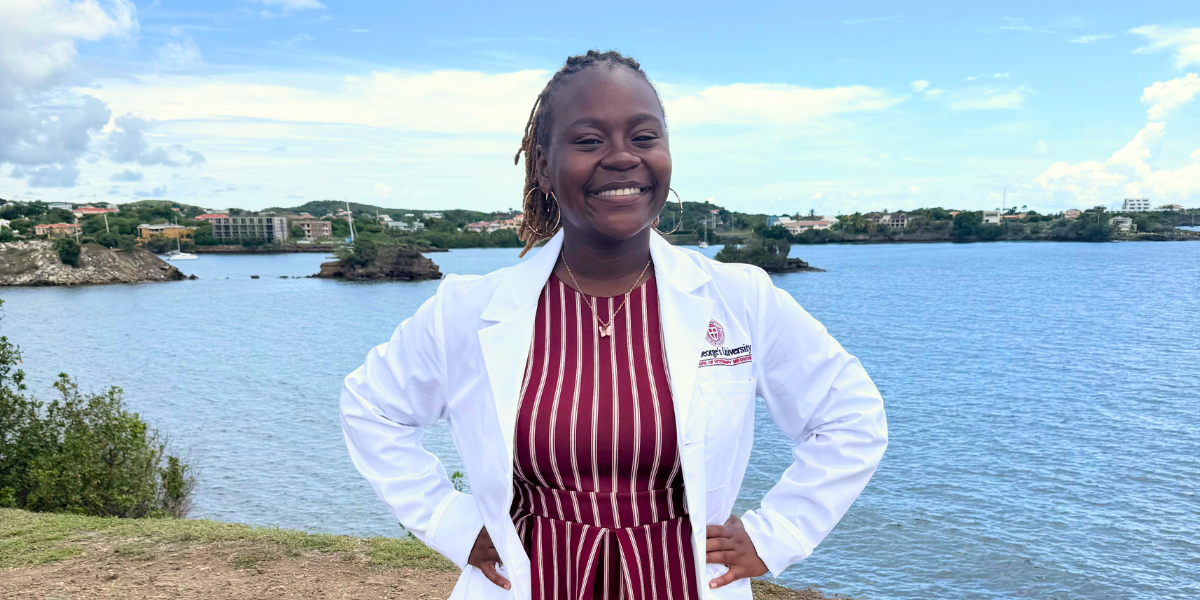
Representation and SGU: A shared commitment to the future
At SGU, representation is reinforced not only through individual stories, but through institutional support and student leadership.
According to our panel, SGU supports multiculturism, accessibility, and representation in ways such as:
- Training physicians who seek to serve diverse and under-resourced populations, such as through SGU’s Mission-to-Serve scholarships,
- Offering academic support systems like DES and peer learning groups, research opportunities, and an inclusive learning environment that recognize students’ diverse backgrounds
- Embedding cross-cultural awareness, global health perspectives, and social accountability into the curriculum, policies, and campus life,
- Providing resources that allow student-led organizations to host events, mentorship programs, and community initiatives,
- Creating structured opportunities for dialogue, cultural exchange, and critical reflection through academic initiatives, student support services, and community partnerships, and
- Reinforcing an institutional culture that recognizes cultural identity and promotes mutual respect through leadership roles, faculty development, and student engagement, which helps prepare graduates to practice and lead effectively in complex, multicultural environments worldwide.
Dr. Kilgore emphasized how the broader campus experience is shaped by the nature of SGU being an international educational institution.
“SGU accepts students from every walk of life, both American and non-American. The very school is built on an island of people of color, and while many of the medicine and veterinary medicine students are from the US, it was nice to go to a country that has people that look like me and to have professors and staff from all over the world. The academics of a school play a huge role, but outside of the classroom is just as important,” she explained.
Just as SGU embeds multiculturalism and representation into its curriculum and policies, students reinforce that commitment from the ground up—through advocacy, leadership, and a willingness to challenge the University to deepen those principles.
The campus boasts numerous clubs and organizations that put multiculturalism and elevating students from underrepresented groups at the center of their missions. SGU News spoke with members of two of them: the Student National Medical Association (SNMA) and the Student National Association for Black Veterinarians (SNABV).
Student panelists explained that organizations like SNMA and SNABV create spaces where student identities are acknowledged and supported and push students to become advocates and leaders in their fields.
“Being involved in SNMA at SGU has strengthened my commitment to health equity and reinforced my purpose in pursuing medicine,” said Stevenson.
Jones shared the sentiment: “Involvement in organizations like SNMA reflects my commitment to service, leadership, and advocacy within medicine. I am motivated to grow as a clinician and leader who contributes meaningfully to both the medical profession and the communities I serve.”
SNMA advances its mission on campus by hosting a Diabetes Clinic for the local community, facilitating a peer-led panel called “What’s the Tea” focused on lessons learned from both successes and setbacks in medical school, and organizing “Meet the Matched,” where recently matched M4s share their road to residency. The organization also runs a mentorship program pairing lower-term students with upper-term and clinical peers and collaborates with other student organizations to foster connection and support across campus.
In the School of Veterinary Medicine, SNABV provides a parallel sense of belonging and purpose.
“Moving to the island was exciting but also an adjustment, and SNABV gave me a sense of home, support, and cultural connection. I believe in its mission because representation and community matter, especially in a field where diversity is still growing. SNABV creates space for support, mentorship, and belonging, and I’m proud to be part of that,” shared King.
Dukes sought out an organization like SNABV to surround herself with people who looked like her and had the same ideas she had about the importance of representation in veterinary medicine.
“Being a part of SNABV has given me the opportunity to network with not only older students here on campus, but alumni as well. While being a part of SNABV I’ve attended beach clean ups, attended SGU homecoming where I got to speak with alumni, received feedback to help strengthen my resume, and attended lunch-and-learns,” she said.
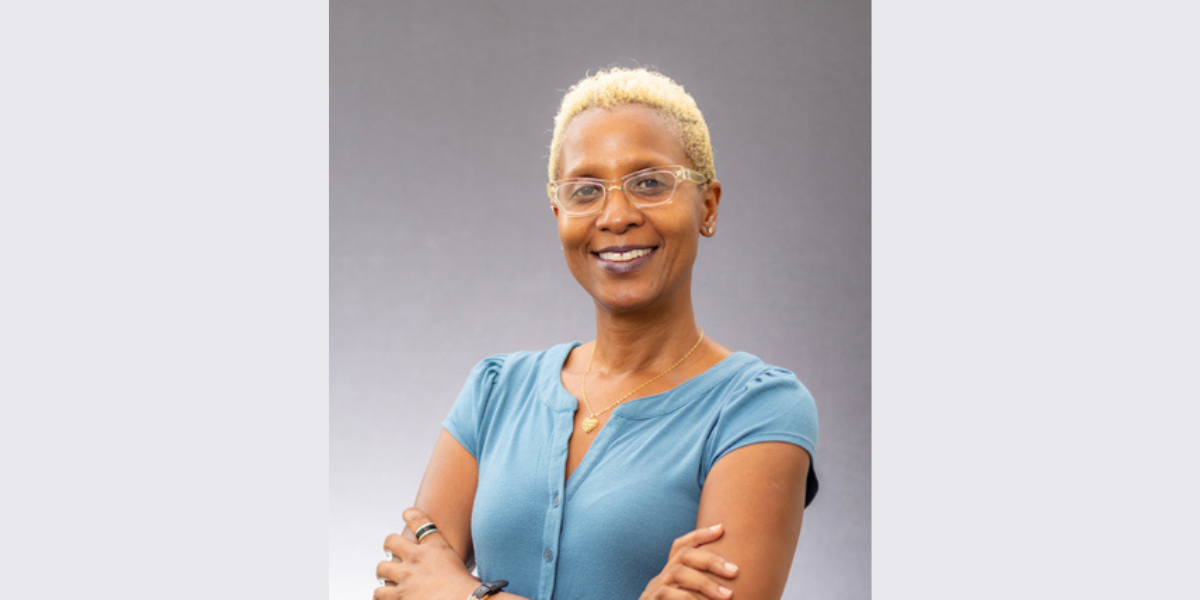
In recognition of Black History Month, Dr. Herry encourages the SGU community to observe this time not only as a celebration of achievement, but as an opportunity for reflection, learning, and collective growth. Black history is intricately connected to Caribbean identity, international scholarship, scientific progress, and the continued advancement of society. Our responsibility to recognize, honor, and learn from these contributions cannot be limited to one month—it should shape our teaching, research, leadership, and everyday interactions all year long.
Dr. Herry imparted this message for the SGU community: “Our commitment to acknowledging, valuing, and learning from these contributions must not be confined to a single month on the calendar; it should inform our teaching, research, leadership, and daily interactions throughout the year. Let this month reaffirm our dedication to honoring those who have shaped our disciplines and our societies, while also challenging ourselves to expand opportunity, deepen understanding, and strengthen community. In doing so, we uphold the principles of academic excellence, respect, and shared responsibility that define SGU at its best.”