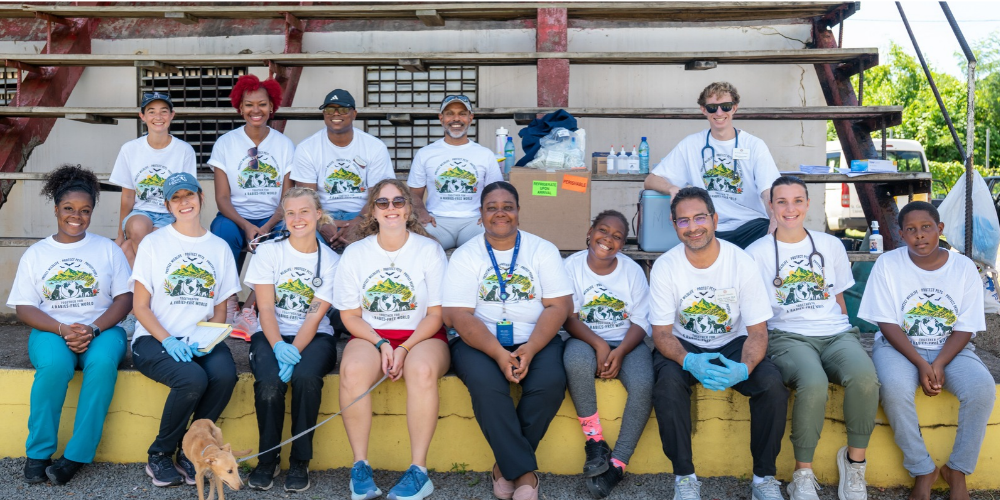
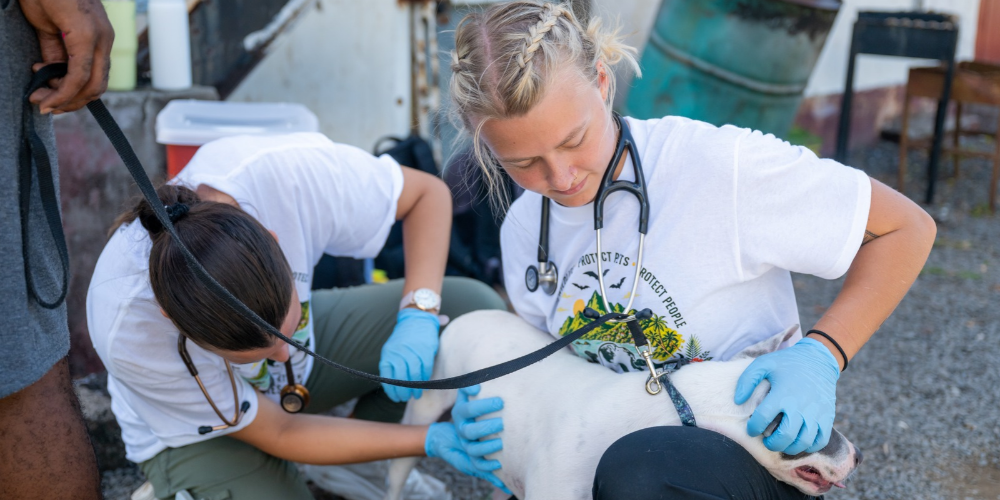
Over 200 pets were vaccinated during St. George’s University’s island-wide rabies prevention campaign on September 26. Held in recognition of World Rabies Day, the initiative brought together local and international partners to operate 12 community clinics across Grenada’s six parishes, providing vaccinations and public education.
Led by the School of Veterinary Medicine in partnership with the Global Alliance for Rabies Control (GARC) and Grenada’s Ministries of Health and Agriculture, the initiative united veterinary professionals, students, and public health officials to support disease prevention through vaccination, community outreach, and education.
Community embraces preventive care
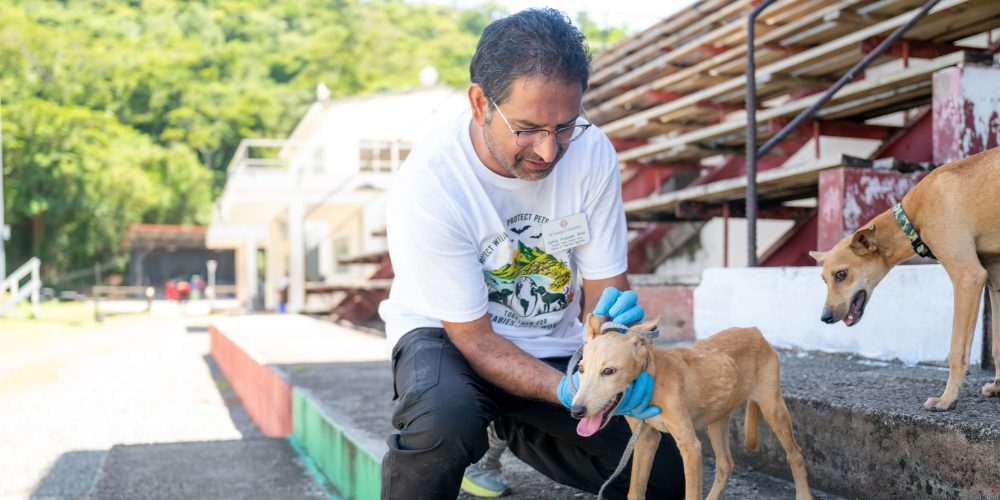
From coastal villages to inland communities, pet owners turned out in large numbers as the clinics operated across all six parishes. The 12 mobile clinics served one location in the morning before moving to another in the afternoon, bringing veterinary medical services directly to communities and making rabies prevention more accessible to pet owners.
“The turnout exceeded our expectations, with an especially busy morning session,” said Dr. Ashiq Bhat, assistant professor at SGU’s Small Animal Clinic. “It’s encouraging to see so many pet owners taking proactive steps to protect their animals and families. Every vaccination brings us closer to a rabies-free Grenada.”
Pet owners answer the call for prevention
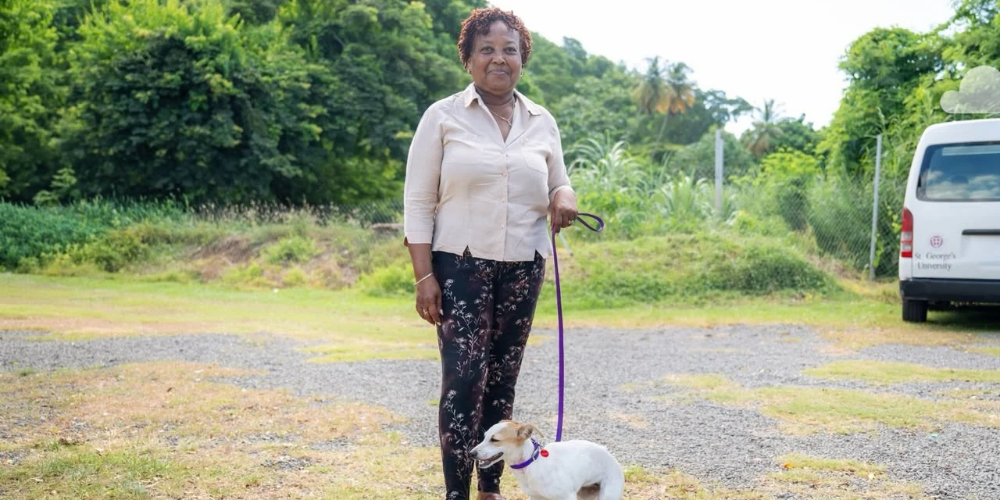
Among those participating was Cheryl Johnson of St. David, who brought her five-month-old dog, Shiloh, for vaccination. In addition to receiving preventive care, she learned more about the veterinary services available through the University and expressed appreciation for the support provided by students and faculty.
“I think it’s a very good initiative because safety comes first,” Johnson said. “The students were professional, efficient, and very helpful. I was also pleasantly surprised to learn about some of the additional veterinary services like 24-hour emergency care and sick visits. It’s reassuring to know that these resources are accessible to pet owners in the community.”
Classroom learning into action
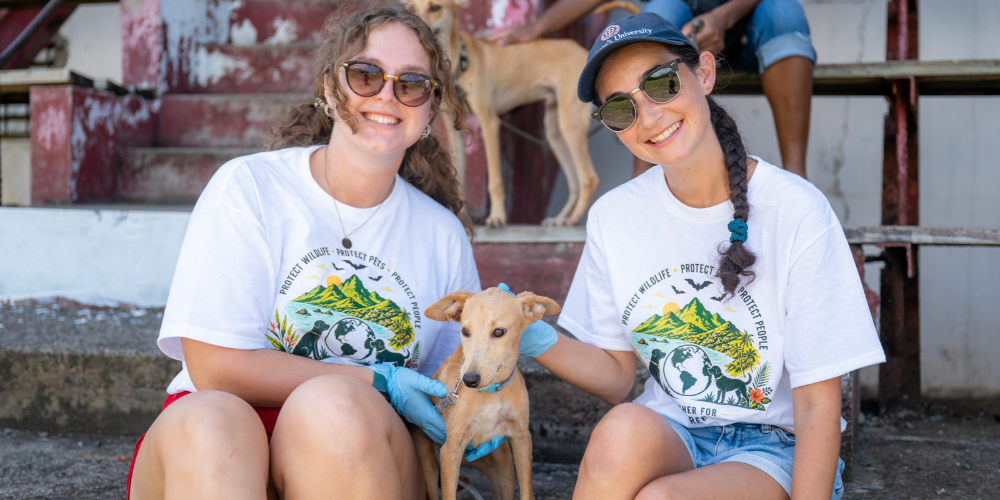
The campaign also gave veterinary medical students the opportunity to apply their classroom knowledge in a real-world setting, engaging directly with community members.
“Being part of this campaign has been incredibly rewarding because we’re seeing firsthand the impact veterinary medicine can have beyond the clinic,” said Paige Chernisky, Term 5 SVM student, event organizer, and lead coordinator for the campaign. “Every vaccinated dog represents an opportunity to protect both animal and human health. By bringing these clinics directly into communities, we’re helping pet owners access preventive care while supporting Grenada’s efforts to safeguard the island against rabies.”
Advancing public health through partnership
Community outreach initiatives such as vaccination drives and public education campaigns play an important role in preventing the spread of disease and protecting both animal and human populations. Dr. Satesh Bidaisee, dean of the School of Veterinary Medicine, emphasized the value of collaborative efforts that strengthen community wellbeing.
“Protecting animal health is one of the most effective ways to protect human health,” Dr. Bidaisee said. “When pet owners vaccinate and care for their animals, they help reduce the risk of disease transmission and strengthen the wellbeing of their communities. Initiatives like this demonstrate how preventive care and community education can make a meaningful impact on public health while reinforcing the One Health approach. Together, we can continue building a healthier, safer Grenada.”