

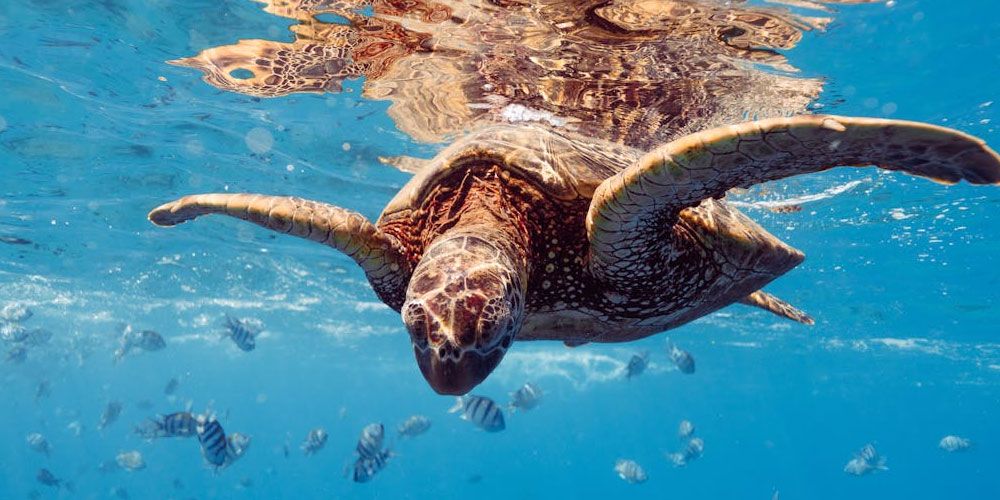
An aquatic veterinarian is a licensed Doctor of Veterinary Medicine (DVM) who specializes in the health and medical care of animals that live in water. Also known as a marine veterinarian or aquatic animal veterinarians, these doctors diagnose and treat fish, marine mammals, reptiles, and other aquatic species in environments ranging from aquariums to conservation programs.
If you’re considering a career working with underwater wildlife, it’s important to understand the roles, responsibilities, salary range, and career path of an aquatic veterinarian.
What does an aquatic veterinarian do?
The scope of veterinary medicine covers many specialized career paths beyond companion animal care, including aquatic and marine veterinary medicine.
An aquatic veterinarian’s responsibilities vary depending on their area of focus, but in general, they oversee the medical management and overall health of aquatic animals in their care. A good aquatic veterinarian should be well versed in a wide range of aquatic diseases, environmental stressors, and injuries, as well as the medications and treatment plans used to address them. Marine and aquatic veterinarians will typically:
- Administer anesthesia and perform surgical procedures
- Conduct medical exams
- Perform necropsies (animal autopsies) to determine cause of death
- Administer tests and vaccinations
- Observe and analyze animal behavior
- Treat wounds and manage injuries
- Develop and implement nutrition plans
- Respond to emergency situations in aquatic environments
- Administer end-of-life care and euthanasia
- Run laboratory diagnostics and disease screenings
- Participate in marine and aquatic health research
- Raise fish, crustaceans, and other food animals for consumption
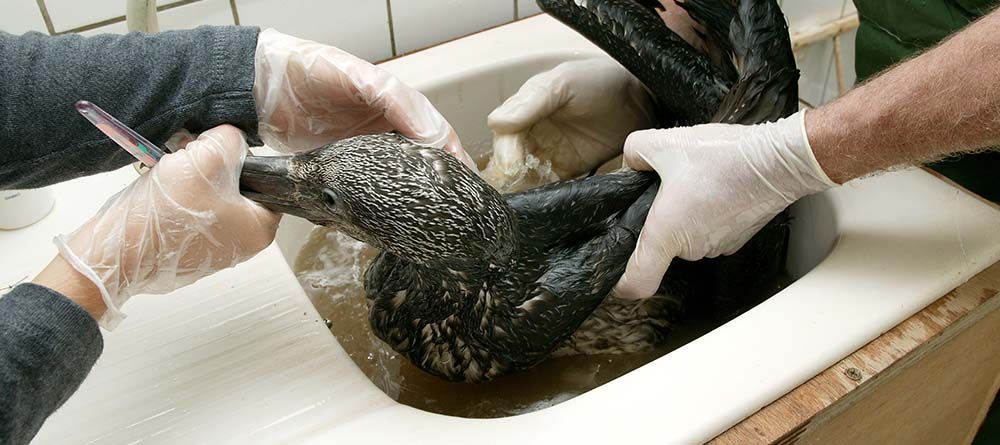
What kinds of animals do aquatic veterinarians treat?
More than 70 percent of the Earth’s surface is covered by water, creating an extraordinary number of aquatic environments and species. As a result, many aquatic veterinarians choose to specialize in a particular group of animals, such as marine mammals, ocean fish, invertebrates, or reptiles.
Aquatic veterinarians can treat species like:
- Reptiles and amphibians, including frogs, salamanders, newts, sea turtles, tortoises, and crocodilians
- Marine mammals, like seals, whales, dolphins, walruses, manatees, and sea otters
- Sea birds such as penguins, pelicans, gulls, and other coastal bird species
- Invertebrates including coral, oyster, jellyfish, starfish, clam, giant kelp, crab, lobster
- Cephalopods, like squid, octopus, cuttlefish, nautilus
- Freshwater and saltwater fish, including ornamental, wild, and game species
- Sharks and stingrays
Where do aquatic veterinarians work?
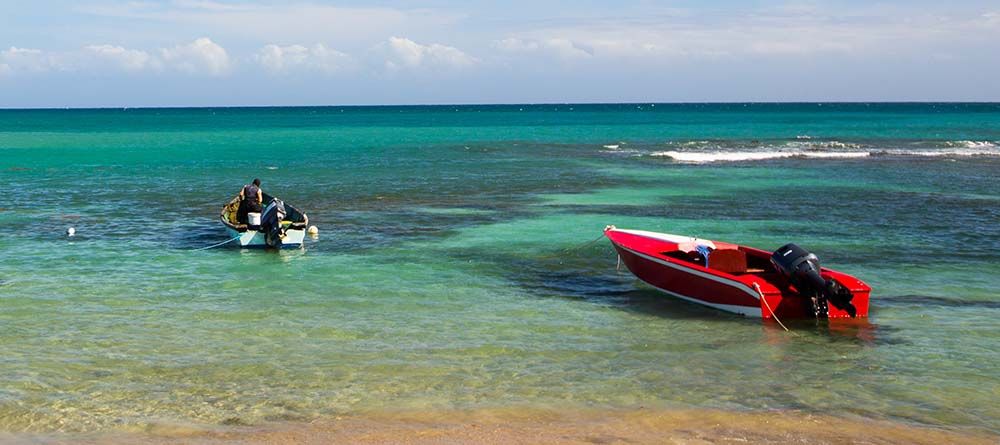
Marine and aquatic veterinarians can work in several types of professional settings. For example, an aquatic animal veterinarian working in seabird conservation may spend much of the day outdoors or on the water, while a marine veterinarian focused on aquaculture research may spend significant time in a laboratory setting.
Aquatic veterinarians are commonly employed by aquariums, marine parks, wildlife sanctuaries, zoos, research institutions, fisheries, universities, and aquaculture facilities. Regardless of the setting, however, if you choose to practice aquatic veterinary medicine, be prepared to work in wet environments, near open water, and sometimes in field-based or offshore conditions.
What skills do aquatic veterinarians need?
An aquatic veterinarian must develop a strong foundation of both technical and interpersonal skills. One of the fundamental challenges in veterinary medicine is that animal patients cannot communicate their symptoms directly, requiring veterinarians to rely on observation and clinical judgment. Vets are trained to overcome these challenges through exceptionally keen observation and critical-thinking, and by developing their technical knowledge, problem-solving skills, and mastery of a vast array of diagnostic tools.
Manual dexterity and physical strength are also essential in this profession. Many vets must perform surgery and other delicate procedures that demand a steady hand while also engaging in fieldwork that requires a great deal of endurance. For aquatic and marine veterinarians specifically, cultivating water-specific proficiencies, such as swimming, snorkeling, scuba diving, and operating watercraft and other equipment is highly encouraged.
Although the primary focus of aquatic veterinary medicine is animal health, professionals in this field must also work closely with people. Strong interpersonal and communication skills are essential for success. Whether you’re working with anxious pet owners or handlers, fellow colleagues, or employees, collaboration is vital to providing the best care for your patients. Aquatic veterinarians combine clinical expertise with compassion, supporting animals through complex medical needs and critical care situations.

What is the employment outlook for aquatic veterinarians?
The job market for veterinarians across all specialties remains consistently strong. According to the Bureau of Labor Statistics (BLS), the employment of veterinarians is projected to grow 16 percent through 2029. This is much faster than the average four percent for all occupations in the US. While the BLS does not publish employment projections specifically for aquatic veterinarians or marine veterinarians, the overall expansion of veterinary medicine suggests strong demand across specialized fields.
How much do aquatic veterinarians make?
Compensation for aquatic veterinarians varies based on factors such as geographic location, years of experience, type of employer, and area of specialization. According to the U.S. Bureau of Labor Statistics (BLS), the median annual wage for veterinarians was approximately $119,100 in 2023. The lowest 10 percent earned less than approximately $65,000, while the highest 10 percent earned more than $180,000.
How do you become an aquatic veterinarian?
If you have a passion for protecting marine life, preserving aquatic ecosystems, and caring for animals, a career as an aquatic veterinarian may be a natural fit. Becoming an aquatic veterinarian requires the same foundational education as other veterinary careers, as well as specialized experience working with marine and freshwater species.
Here are the key steps you’ll need to take to pursue a career in aquatic or marine veterinary medicine:
Earn a bachelor’s degree
Most aspiring aquatic veterinarians complete an undergraduate degree in biology, animal science, marine biology, zoology, or a related field. Coursework in chemistry, physics, and life sciences is typically required before applying to veterinary school.
Complete a Doctor of Veterinary Medicine (DVM) program
To become a licensed veterinarian, you must earn a Doctor of Veterinary Medicine (DVM) degree from an accredited veterinary institution. A DVM program typically takes four years to complete and includes classroom instruction, laboratory training, and clinical experience.
Gain hands-on experience with aquatic species
If you’re interested in becoming a marine veterinarian or aquatic animal veterinarian, seek out clinical rotations, internships, research opportunities, or volunteer work involving aquatic animals. Experience in aquaculture, marine conservation, wildlife rehabilitation, or aquarium medicine can help you build specialized skills that will set you up for success later on.
Consider advanced training or certification
Some aquatic veterinarians choose to pursue internships or residencies in zoological or aquatic medicine to bolster their preferred specialization. Board certification through organizations like the American College of Zoological Medicine (ACZM) may enhance career opportunities in research institutions, aquariums, and conservation programs.
Obtain licensure
After completing a DVM program, graduates must pass the North American Veterinary Licensing Examination (NAVLE) and meet state or regional licensing requirements to practice veterinary medicine.
Because aquatic veterinary medicine is a specialized career path, early preparation and intentional experience can make a meaningful difference. Gaining exposure to marine science, wildlife conservation, or aquaculture during your undergraduate and veterinary training can help you build the skills you’ll need to thrive in this field.
If you’re ready to explore the full journey from pre-veterinary student to licensed professional, read our comprehensive guide on how to become a veterinarian, which outlines each step in greater detail, from undergraduate preparation to earning your DVM degree and obtaining licensure.
Are you ready to become an aquatic veterinarian?
Aquatic veterinarians must combine a strong commitment to animal health with a deep respect for marine and freshwater ecosystems. If you’re considering a career as a marine veterinarian or aquatic animal veterinarian, begin exploring your educational path today.
FAQs:
Is there such a thing as an aquatic vet?
Yes. An aquatic veterinarian is a licensed Doctor of Veterinary Medicine (DVM) who specializes in the medical care of animals that live in water. Also known as a marine veterinarian or aquatic animal veterinarian, these professionals treat fish, marine mammals, reptiles, invertebrates, and other aquatic species in aquariums, research facilities, and conservation programs.
How many years does it take to become an aquatic veterinarian?
Becoming an aquatic veterinarian typically requires eight or more years of education. Students first complete an undergraduate degree (about four years), followed by a four-year Doctor of Veterinary Medicine (DVM) program. Some aspiring marine veterinarians also pursue internships or specialized residencies in aquatic or zoological medicine, which can add one to three additional years of training.
Where do aquatic vets get paid the most?
Aquatic veterinarians may earn higher salaries in regions with strong marine research industries, large aquariums, or established aquaculture operations. Compensation can also vary based on experience, specialization, and employer type. According to the U.S. Bureau of Labor Statistics, the median annual wage for veterinarians was approximately $119,100 in 2023, though salaries for marine veterinarians specifically are not reported separately.
Are aquatic veterinarians in demand?
Yes. While employment projections are reported for veterinarians as a whole rather than aquatic specialists specifically, the U.S. Bureau of Labor Statistics projects strong growth for the veterinary profession overall. Demand for aquatic animal veterinarians may also increase as conservation efforts, marine research, and global aquaculture industries continue to expand.
What does an aquatic veterinarian do?
An aquatic veterinarian diagnoses, treats, and helps prevent disease in animals that live in freshwater and marine environments. Their responsibilities may include conducting health exams, performing surgery, administering anesthesia, managing nutrition plans, participating in research, and responding to medical emergencies in aquatic settings.
What is the difference between a marine veterinarian and an aquatic veterinarian?
A marine veterinarian typically focuses on ocean-dwelling species, while an aquatic veterinarian may treat both marine and freshwater animals. In practice, the terms are often used interchangeably, though specialization can depend on the type of environment and species a veterinarian works with.
Do aquatic veterinarians work with dolphins and whales?
While marine veterinarians specialize in marine mammals such as dolphins, whales, seals, and manatees, others focus on fish, invertebrates, reptiles, or aquaculture species, depending on their training and employer.
What degree do you need to become an aquatic veterinarian?
To become an aquatic veterinarian, you must earn a Doctor of Veterinary Medicine (DVM) degree from an accredited veterinary school. Additional training in aquatic or zoological medicine may also be required for advanced or specialized roles.