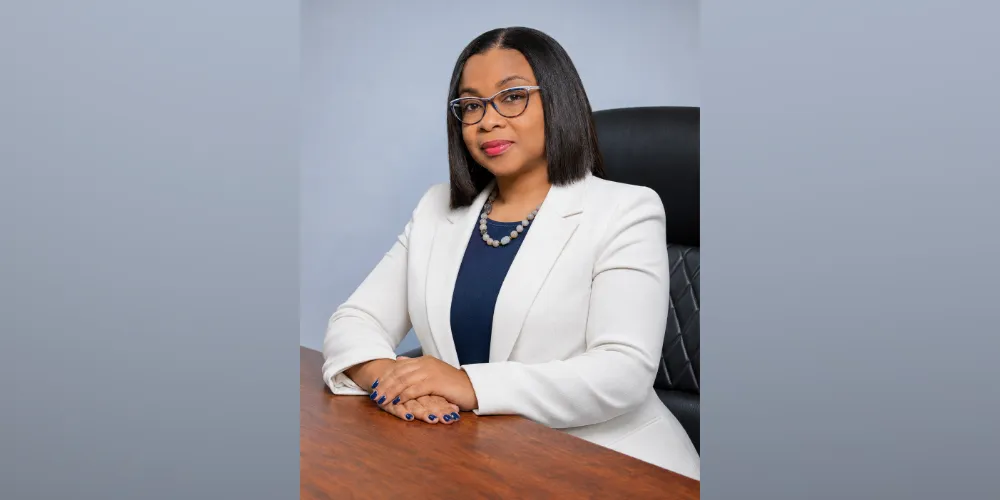
Marisa Nimrod, MD ’10, MPH ’23, is breaking new ground in global medical education. In June 2026, she was appointed executive director of the World Federation for Medical Education (WFME), becoming the organization’s first executive director, the first woman, and the first person from the Caribbean to hold the position. Her historic appointment places her at the forefront of international efforts to strengthen medical education and prepare physicians to meet the evolving needs of healthcare systems worldwide.
“Being the first person from the Caribbean to serve in this role is both humbling and a source of great pride. Our region has valuable insights to contribute to global conversations on medical education, and I look forward to bringing that perspective to the international stage.” — Dr. Marisa Nimrod
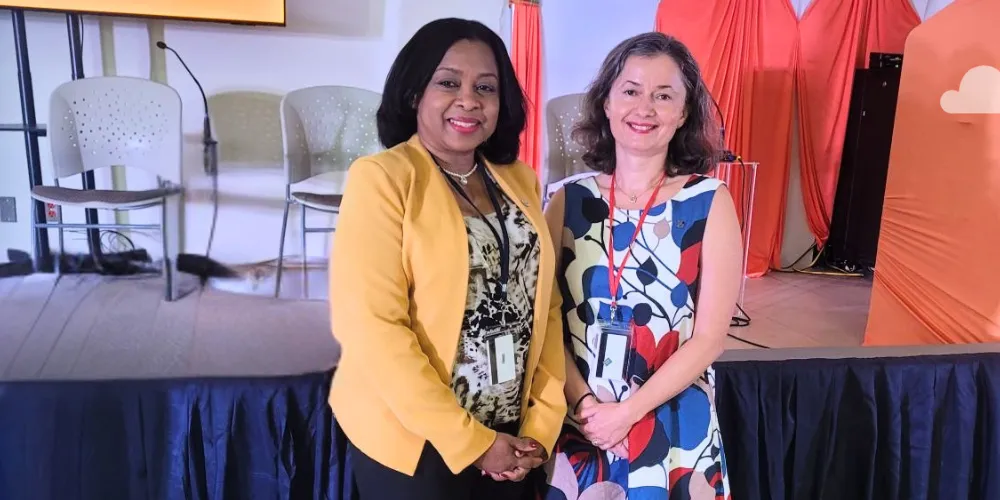
A physician and public health professional from Trinidad and Tobago, Dr. Nimrod has built a multifaceted career spanning clinical medicine, health policy, medical education, and regional health leadership. Before joining WFME, she served as president of the Trinidad and Tobago Medical Association and chief executive officer of the Caribbean Association for Oncology and Haematology, championing collaboration and advancing healthcare initiatives across the region.
Her commitment to strengthening healthcare through education and leadership has also brought her back to St. George’s University (SGU), where she earned her Doctor of Medicine in 2010 before returning to complete a Master of Public Health in global health in 2023. As SGU celebrates its 50th Anniversary, Dr. Nimrod’s accomplishments exemplify the global influence of its graduates and their contributions to advancing healthcare and shaping the future of medical education.
SGU News spoke with Dr. Nimrod about her career, the experiences that shaped her leadership, and her vision for the future of medical education.
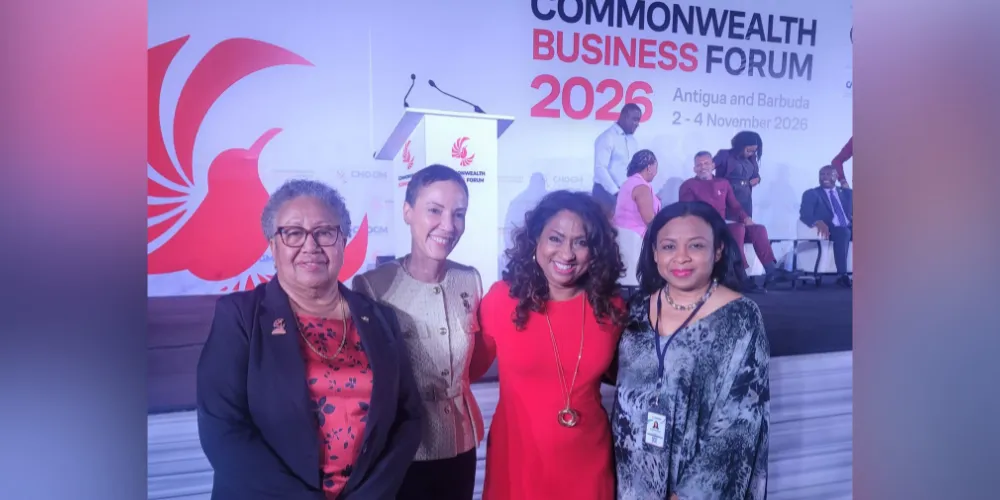
SGU: Congratulations on your appointment as executive director of WFME. What does this new chapter mean to you, and what will your role involve?
Dr. Nimrod: I saw the opportunity as a chance to contribute to an area that underpins every healthcare system: medical education. Education influences clinical judgment, teamwork, patient communication, and the ability to improve patient care.
My role brings together strategic planning, governance, communication, and partnership development. We focus on recognition programs, developing standards, maintaining the World Directory of Medical Schools, and building new programs to support the organization’s sustainability.
Being the first person from the Caribbean to serve at this level is something I am incredibly proud of and humbled by. Our region has so much to contribute to international discussions about educational quality, adaptability, and delivering care across diverse settings, and I look forward to bringing that perspective to the global stage while working collaboratively with partners around the world.
SGU: Looking back at your time at SGU, what experiences most influenced the physician and leader you would become?
Dr. Nimrod: From early in my time at SGU, I had opportunities to combine academic study with service to other students. I worked as a tutor and served as a resident assistant and student council counselor. Those responsibilities helped me develop leadership skills, address students’ concerns, explain difficult concepts, and understand the importance of listening to others.
They taught me that leadership begins with being attentive to people’s needs. Those experiences continue to influence how I work in medical education today.
My clinical training also exposed me to different healthcare systems, including in the United Kingdom and the United States. Seeing different approaches to care encouraged me to question how systems operate, what patients experience, and how healthcare can be improved. That curiosity has stayed with me throughout my career.
SGU: How did studying medicine in Grenada and being part of SGU’s diverse international community shape your perspective on healthcare?
Dr. Nimrod: Studying in Grenada kept me connected to the Caribbean while immersing me in an international community. I had the opportunity to interact with classmates from many different backgrounds and learn about their lives, experiences, and motivations.
That diversity taught me to listen to perspectives shaped by different cultures, resources, and expectations. It also reinforced how important communication and emotional intelligence are in medicine. A diagnosis is only one part of care; physicians must also understand patients’ circumstances, beliefs, and ability to access treatment.
Those experiences shaped my view that healthcare must be globally informed while remaining locally relevant. We can learn from one another across borders while staying responsive to the needs of the communities we serve.
SGU: Your career has spanned clinical medicine, public health, policy, and medical education. How have these experiences shaped your approach to leadership?
Dr. Nimrod: Working across the Caribbean has taught me that reaching an agreement or establishing a shared vision is only the beginning. Progress also requires clear responsibilities, sustained relationships, persistence, and practical support for implementation.
I bring a clinician’s perspective to discussions about governance, standards, and policy. Ultimately, these decisions affect how students are prepared, how physicians practice, and how patients experience care. If we do not have an adequately trained and competent workforce, the consequences can reach the patient.
I also believe networking and partnerships are essential. Different perspectives help us understand problems more fully, and collaboration allows us to turn shared ambitions into meaningful action.
SGU: What are your priorities as WFME works to strengthen medical education around the world?
Dr. Nimrod: One of my first priorities has been building a strong working relationship with our international secretariat and creating a positive environment where our team can achieve its goals. Clear communication and productive relationships with our partners and stakeholders are equally important.
I also want to strengthen engagement with regions that have not been as involved in WFME’s work, including parts of Africa, and expand our global reach. We need to strengthen the dialogue between medical education and the wider health workforce, recognizing that educational quality has implications for patient safety, access to care, and health system resilience.
We must also pay close attention to the experiences of educators and learners as we consider emerging challenges, including artificial intelligence, changing population health needs, and workforce pressures. Our work should help ensure that no one is left behind in the opportunity to become a physician.
SGU: Medical education is evolving alongside AI and changing healthcare needs. What should medical schools prioritize to prepare physicians for the future?
Dr. Nimrod: Medical schools must prepare students with strong scientific knowledge, clinical reasoning, effective communication, teamwork, ethical judgment, and a commitment to lifelong learning.
With AI, students need to understand how tools are evaluated, where errors and bias can arise, and how patient information must be protected. AI should not simply be treated as a tool that can be used without question. Physicians must be able to critically assess its outputs and remain accountable for their clinical decisions.
Schools must also consider the settings in which their graduates will practice. Not everyone will work in a high-income country, so students need exposure to community care, multidisciplinary teams, and the realities of healthcare environments with different levels of resources. Faculty development is equally important, ensuring educators have the time and support to adapt their teaching and assessments.
SGU: What do you hope students and young physicians will gain from stronger global standards for medical education?
Dr. Nimrod: Students should have greater confidence in the quality of their education and a clear understanding of what they should expect from their training. That includes appropriate supervision, meaningful clinical experiences, fair assessments, and support for their professional development.
Quality assurance should translate into everyday learning and readiness to practice. WFME’s standards provide a reference that institutions and accrediting agencies can use to guide improvement, while our recognition programs evaluate the agencies responsible for assessing medical education.
The ultimate goal is to ensure that education prepares physicians to meet the needs of the communities they serve. Stronger medical education benefits not only students and educators but also the patients who depend on a capable, well-prepared healthcare workforce.
SGU: What advice would you offer SGU students who aspire to careers in leadership, public health, policy, or global health?
Dr. Nimrod: Build a sound clinical foundation, because that is what you can build upon. Pay attention to the problems you encounter. A patient’s delayed diagnosis, difficulty obtaining treatment, or challenges understanding medical advice can reveal questions that deserve attention through research, education, or policy.
Take opportunities to contribute, even when the responsibility seems small. Teach, join a professional association, participate in community projects, and seek mentors. Learn from people outside of medicine, too, because leadership requires understanding how others see and approach a problem.
Most importantly, remain open to opportunities. I never imagined that my career would lead me into medical education. My initial goal was to become a physician and pursue epidemiology, but my experiences in clinical practice, teaching, and public health opened doors I had not anticipated. Each opportunity helped prepare me for the responsibilities I hold today.
SGU: If you could speak to the medical student you were when you first arrived at SGU, what would you tell her?
Dr. Nimrod: I would tell her to remain curious, keep looking for opportunities, and give herself permission to grow. There is no such thing as impossible.
Never be afraid to use your voice. Sometimes many people in a room are thinking the same thing but are afraid to ask the question. Speaking up can open the door to new ideas, policy discussions, or changes in a curriculum.
I would also tell her that she does not need to see the whole journey ahead of her. I certainly could not have imagined where mine would lead. Take each responsibility seriously, keep learning, and stay connected to the people you hope to serve.
I have been fortunate to have family, teachers, mentors, colleagues, students, and patients who have contributed to my journey. Leadership is supported by many people whose influence helps shape the professionals we become. I would encourage every student to value those relationships and the opportunities to learn from them.