

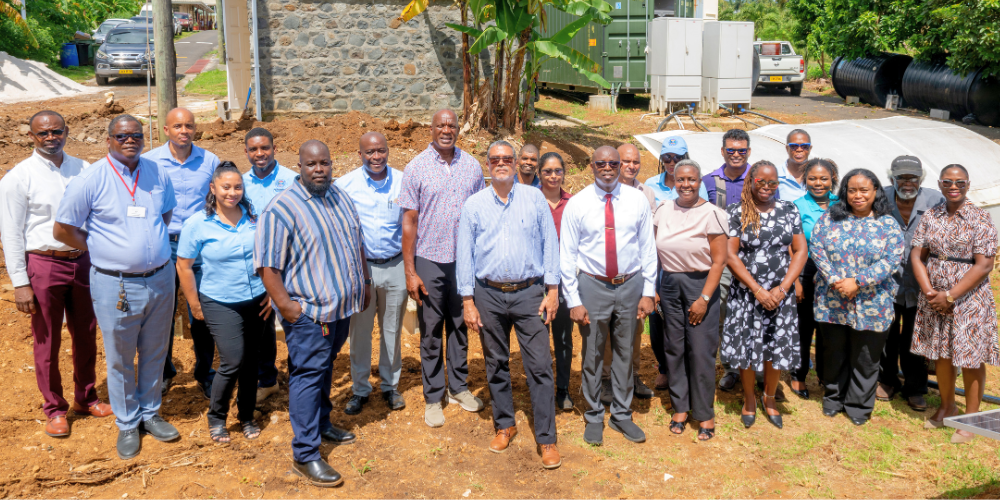
A pioneering wastewater recycling initiative at Princess Alice Hospital is transforming how Grenada approaches water management, agricultural resilience, and environmental sustainability.
Spearheaded by Dr. Lindonne Telesford, interim dean of the School of Graduate Studies at St. George’s University (SGU), the initiative uses an innovative treatment and reuse system to convert wastewater into an asset for farmers while reducing environmental pollution and strengthening public health infrastructure.
Working alongside the National Water and Sewerage Authority (NAWASA), the Ministry of Health, the Ministry of Agriculture, the Caribbean Development Bank, and local and regional engineering specialists, Dr. Telesford noted that the initiative represents years of planning, collaboration, and diligence.
“The journey required a level of persistence that cannot always be captured in project reports,” said Dr. Telesford. “Every challenge pushed us to think more creatively, collaborate more closely, and remain focused on the long-term impact we knew this project could have.”
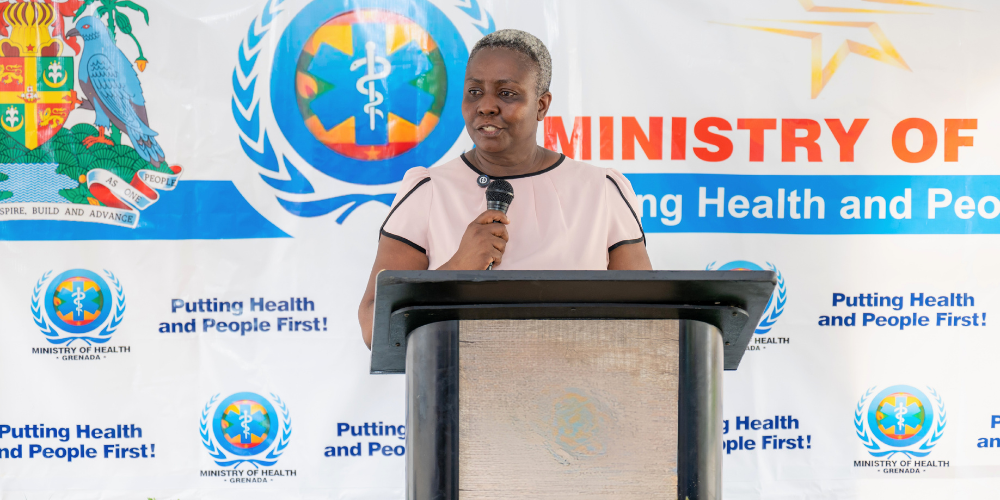
Finding a sustainable solution
In 2018, the World Bank launched its Wastewater: From Waste to Resource initiative across Latin America and the Caribbean, encouraging countries to view wastewater not as a liability but as an opportunity to improve water security, food production, and environmental protection.
The concept aligned with a pressing local need. Farmers across rural communities often experience water shortages during the dry season, limiting agricultural production and affecting livelihoods. Recognizing an opportunity to address these challenges, Dr. Telesford assembled a multidisciplinary team to explore solutions that could work within Grenada’s unique context.
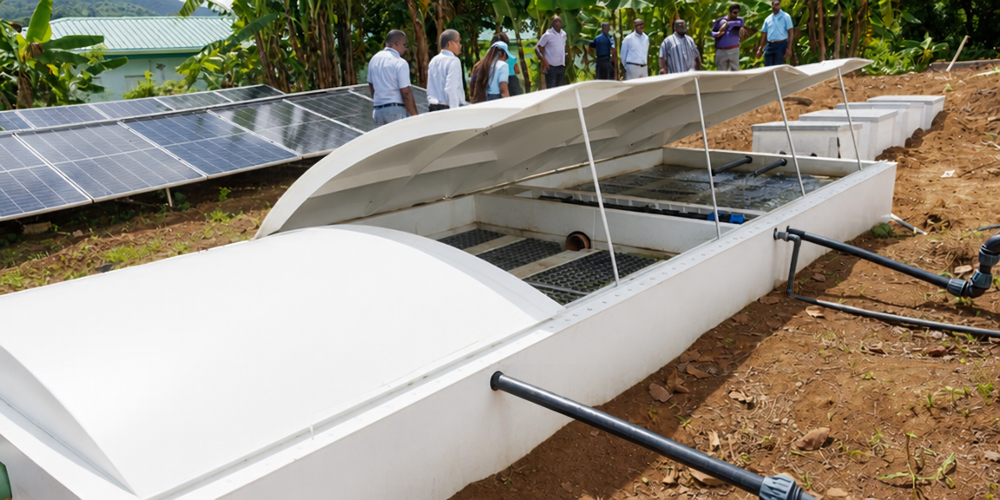
“This facility transforms wastewater from Princess Alice Hospital into a valuable asset for the community,” said Dr. Telesford. “By treating and recycling water that would otherwise be discharged into the environment, we are improving environmental health while creating a reliable source of water for farmers. The result is a sustainable solution that supports agriculture, protects natural resources, and helps build a more resilient future for the communities we serve.”
Using criteria developed with support from the Caribbean Development Bank, SGU students conducted site evaluations and baseline research involving farmers in the community. Their findings identified Princess Alice Hospital as the most suitable site for the initiative.
“What makes this achievement so meaningful is that it demonstrates what is possible when research, partnership, and innovation come together to solve a community challenge,” said Dr. Telesford. “This project shows that Grenada can lead the way in developing sustainable solutions that benefit both people and the environment.”
The treatment system uses engineered recycled glass filtration media, in a multi-phased treatment plant, a technology used internationally but not previously introduced in this region.
An investment in Grenada’s future
For Grenada’s health and agriculture sectors, the project represents more than a technological achievement. The treated water produced by the system is expected to support year-round agricultural activity, reducing the impact of seasonal water shortages and creating new opportunities for farmers to sustain production during dry periods.
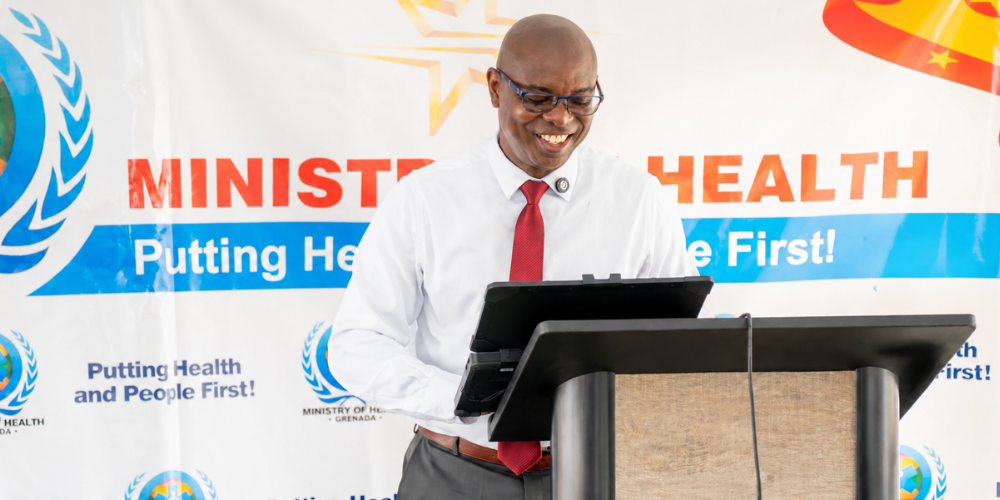
The Honorable Philip Telesford, minister of health, described the initiative as an example of innovation and partnership addressing multiple national priorities simultaneously.
“This project demonstrates how investments in environmental health can generate benefits far beyond a single sector,” said Minister Telesford. “By improving wastewater management while supporting agriculture and water security, Grenada is taking an important step toward building more resilient and sustainable communities.”
Community voices shape the project
Throughout the planning process, the project team conducted consultations with farmers, residents, healthcare workers, administrators, environmental health experts, water management experts, and other stakeholders to ensure the system reflected local priorities and concerns.
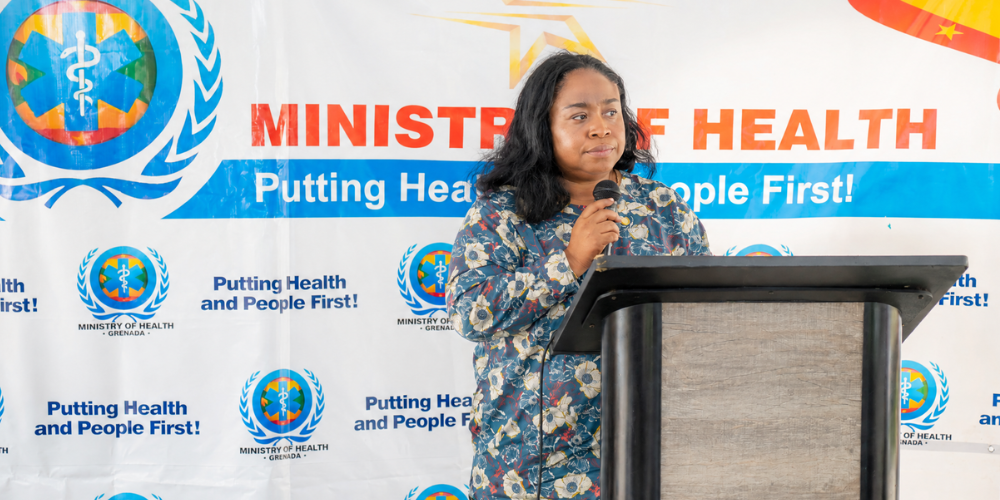
According to Dr. Gabrielle Walcott-Bedeau, assistant provost for Community Outreach and Service-Learning at SGU, the project’s success reflects the importance of global collaboration, institutional commitment, and meaningful partnerships with the communities it serves.
“Community engagement has been central to this initiative, bringing together expertise from Grenada, Kenya, Scotland, and Jamaica. Community members were not simply consulted; their knowledge and participation helped inform the development process. This project demonstrates how global partnerships, institutional accountability, and community-informed research can translate innovation into practical solutions that advance sustainable development, strengthen local resilience, and improve quality of life for the people of Grenada.”
The engagement process also helped build understanding around the science of water recycling and the role treated wastewater can play in supporting communities facing increasing climate-related pressures.
Overcoming challenges along the way
Originally envisioned as a two-year initiative, the project extended over several years as the team navigated the impacts of the COVID-19 pandemic, international supply chain disruptions, rising costs, and technical setbacks.
One of the project’s greatest setbacks occurred immediately after installation. Following the completion of commissioning works by Pure Water International specialists in early April 2025, unusually heavy rainfall damaged portions of the newly installed infrastructure, forcing project partners to rebuild critical components. Rather than derail progress, the setback strengthened the team’s resolve and ultimately resulted in a more resilient system design.
“This project is proof of what can be achieved when we work together toward a common goal,” said Dr. Telesford. “Despite numerous setbacks, we never lost sight of the impact this initiative could have. Princess Alice Hospital was already recognized as a smart hospital, and this system makes it even smarter by transforming wastewater into a valuable resource. Farmers now have access to a more reliable source of water throughout the year, supporting sustainable food production and strengthening food security for the wider community. The benefits will be felt for generations to come.”
