
For someone experiencing a sickle cell crisis, every minute matters. Delays during the critical first moments of care can prolong pain, increase the risk of complications, heighten anxiety for patients and families, and in some cases, prove fatal.
Sickle cell is an inherited blood disorder that causes red blood cells to become rigid and sickle shaped. During a sickling crisis, the mis-shapen cells can block blood vessels, causing severe pain and potentially life-threatening complications. In Grenada, about 1 percent of the population is affected by this disease.
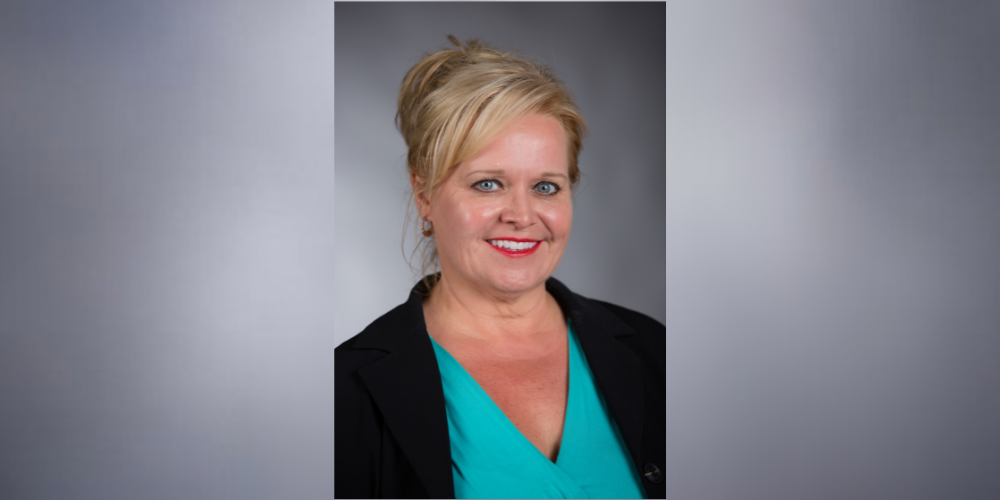
Recognizing the need for faster intervention, St. George’s University’s (SGU) professor and deputy chair of the Department of Biochemistry, Dr. Mary Maj, is leading an initiative to develop the Sickle Cell Care Card. The card would provide healthcare professionals with direct access to essential treatment information.
Dr. Maj emphasized that the project is a shared undertaking. “We are working in partnership with the Sickle Cell Association of Grenada, chief medical officer Dr. Shawn Charles, epidemiologist Dr. Larissa Mark, permanent secretary Rhonda James, government representatives, the Ministry of Health, and key healthcare stakeholders across the island.”
The inspiration behind the initiative
Dr. Maj’s interest in the project stems from her early career. After earning a PhD in biochemistry from McMaster University, she then worked as a research associate at Toronto’s Hospital for Sick Children (SickKids), where she investigated rare metabolic disorders. During that time, she saw firsthand how providing patients and families with accessible medical information could help ensure timely and appropriate treatment, regardless of where care was received.
Physicians provided families of children with rare disorders detailed treatment letters that helped healthcare providers quickly understand their condition and deliver appropriate emergency care, regardless of where they went.
“If those children became ill while traveling or were unable to return to SickKids, healthcare professionals elsewhere could immediately access guidance about their care,” Dr. Maj explained.
The experience later inspired her efforts to improve sickle cell care in Grenada.
The card in action
Within Grenada’s healthcare system, delays can sometimes occur during triage or initial assessment of a sickle cell crisis.
“There are many things we can do within the first 30 minutes of a crisis that can reduce its severity and duration,” Dr. Maj said. “If a patient is seen in casualty at the Grenada General Hospital, and their treatment was unfortunately delayed, it could lead to a severely painful crisis for the patient and could lead to organ damage.”
The proposed card would provide healthcare professionals with fast access to essential treatment information when a patient arrives with a sickle cell crisis, helping ensure timely care without relying on patients or family members to explain treatment needs during a medical emergency.
“The sharing of immediate information is what makes the card particularly promising,” Dr. Maj said. “When people are very ill or in pain, they are not always thinking or speaking clearly. Having an approved card to hand to a medical professional would be a great comfort.”
The initiative focuses on encouraging rapid implementation of well-established interventions, including oxygen administration, hydration, pain assessment, temperature management, and appropriate pain control measures.

A collaborative student-led effort
The project has also become a valuable learning opportunity for SGU students. Originally spearheaded through the Medical Genomics and Patient Care (MGPC) student organization, the initiative has involved numerous students researching current treatment guidelines and helping develop educational materials.
“The original driving force was Samuel Job, who is now completing his clinical rotations,” Dr. Maj noted. “I think learning about a disorder and staying current with recent treatment options is a great opportunity for students.”
The project was sparked by Samuel Job, founder of the Medical Genomics and Patient Care (MGPC) student organization, who sought to combine genomic education with meaningful community impact.
“I started the club to raise awareness of medical genomics while also giving back to the Grenadian community,” said Samuel. “I noticed there were no recognizable medical alert cards for people living with sickle cell disease, despite the need for immediate care during a crisis. When I brought the idea to Dr. Maj, she fully supported it, and together we launched the initiative and secured initial government approval.”
Other student contributors include Michael Concilio, Kaithlyn Albano, Olivia Campos Ferreira, Salmaan Akhtar, Sahir Farooq, Jasleen Takhar, Ebube Okotcha, Hussien Abouzeid, and Ananya Nethikunta.
Working toward implementation
Ultimately, Dr. Maj views the Sickle Cell Care Card as a practical instrument that can support an already capable healthcare system by reducing treatment delays during the earliest stages of a crisis.
“The physicians and healthcare professionals in Grenada are very knowledgeable and already know how to treat patients well,” she said. “However, more awareness of immediate treatment would greatly improve outcomes.”
The project is moving closer to implementation, with efforts centered on regulatory approvals, patient privacy protections, and developing a secure platform that gives healthcare providers access to additional treatment guidance when needed.
“Our goal is to assist patients in receiving rapid treatment, not in managing sensitive patient information,” she said.
Dr. Maj hopes to present a prototype of the card to the Sickle Cell Association of Grenada by December 2026.
Better outcomes for patients
The initiative’s greatest strength lies in its simplicity, a card with the potential to make a significant impact, helping ensure that sickle cell patients receive timely care in that critical moment when every minute counts. And while Dr. Maj stops short of claiming the card will save lives, she believes its impact will be profound.
“I would be deeply satisfied if our efforts could result in less pain for patients experiencing a sickling crisis and less anxiety for family members knowing their loved one is receiving immediate care.”