Women in Grenada now have access to lifesaving breast cancer screening services thanks to a major donation from St. George’s University alumnus Dr. Randy Becker. On February 6, 2026, Dr. Becker officially handed over a comprehensive 3D mammography system to Grenada General Hospital during a ribbon-cutting ceremony attended by government officials, healthcare leaders, and members of the SGU community.
Installed in January, the system will provide mammography screening and diagnostic services within the public healthcare system, capabilities that were previously unavailable on the island.
Secured through partnerships with MedSource Imaging and RadNet, the donation includes a digital Hologic 3D mammography unit, biopsy capabilities, artificial intelligence detection tools, quality assurance systems, and a service contract. Training for local radiology staff took place in February to support the rollout of the service.
“This is something that has been many years in the making,” said Dr. Becker. “Our goal was simple—to bring the kind of screening and diagnostic care available in major medical centers to the women of Grenada.”
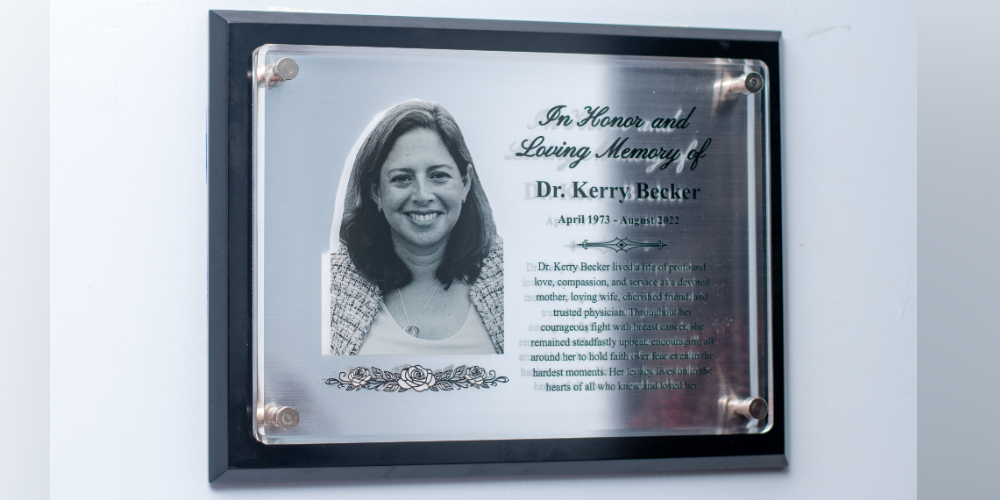
The mammography suite will also be named in honor of Dr. Becker’s late wife, Dr. Kerry Becker, who passed away from breast cancer in 2022.

A need discovered firsthand
Randy Becker, MD ’00, a radiologist and longtime volunteer with the SGU Physician Humanitarian Network, said the idea for the project began during one of his visits to Grenada several years ago.
While working alongside local physicians at the hospital, he encountered a patient whose symptoms strongly suggested breast cancer. At the time, there were no mammography or CT imaging services available on the island.
“We had a patient come in with clear signs that something serious was affecting her breast health.” Dr. Becker recalled. “When I asked what options were available for her, I was told there was very little that could be afforded to her, since there was no screening mammography program and her cancer had now presented at an advanced stage.”
The experience stayed with him and provided the initial spark to begin searching for ways to bring the technology to Grenada.
Over the following years, Dr. Becker worked with partners in the imaging field and submitted numerous proposals in an effort to secure equipment for the hospital. Despite several setbacks, he remained determined to see the project through.
“Many times, we thought we were close, but for various reasons, things just happened to fall through,” he said. “You face challenges along the way, but you keep pushing forward because you know how important your efforts can be.”
A comprehensive system for early detection
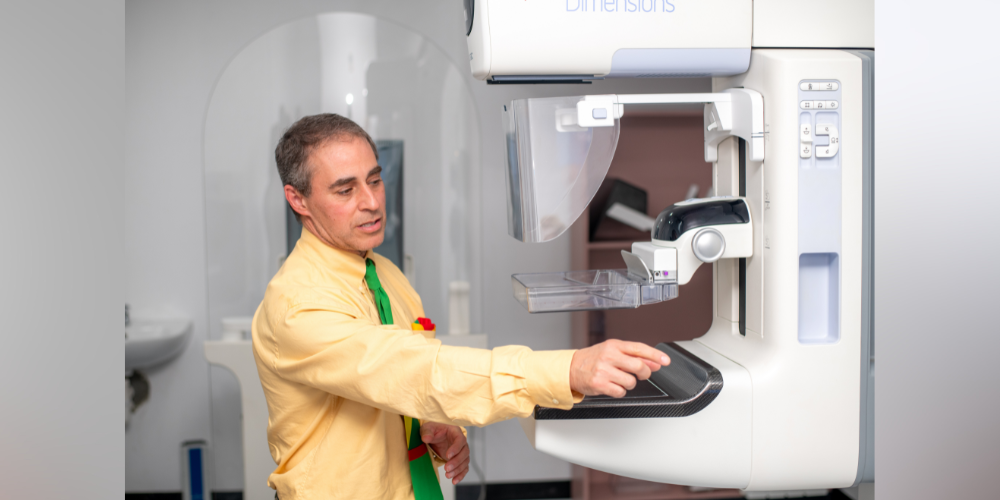
Dr. Becker’s efforts ultimately resulted in the donation of a comprehensive digital 3D tomosynthesis mammography unit designed to significantly improve early breast cancer detection on the island.
Dr. Becker explained that unlike traditional 2D mammography, 3D imaging allows physicians to examine breast tissue in layers, helping identify small cancers earlier while reducing unnecessary biopsies and follow-up imaging.
“With this advanced diagnostic imaging technology, radiologists can detect cancers earlier and provide more accurate diagnoses,” Dr. Becker said. “It allows patients to receive the kind of screening, diagnosis, and care that people now receive currently in most major medical centers.”
The system also includes stereotactic biopsy capabilities, meaning suspicious areas can now be investigated directly at the hospital.
“Patients can now come to the Grenada General Hospital for screening and, if something concerning is found, we have the tools to investigate it right here,” he said. “That level of care and service simply was unavailable before.”

A milestone for Grenada’s healthcare system
Health officials described the donation as a significant advancement for the country’s healthcare system and an important step toward strengthening women’s health services.
Grenada’s chief medical officer and fellow SGU graduate, Dr. Shawn Charles, noted that the new system represents a critical tool in the fight against breast cancer, the leading cause of cancer-related deaths among women in Grenada.
“This is truly a historic moment for women’s healthcare in Grenada,” said Dr. Charles. “For many years, women and families faced the painful reality of not having access to mammography services within the public health system. This system represents hope—allowing earlier detection, better treatment outcomes, and the possibility of saving many lives.”
Government officials and hospital administrators also expressed deep gratitude to Dr. Becker and the partners who helped make the project possible, noting that the equipment will significantly strengthen the country’s ability to diagnose and treat breast cancer.
Alumni giving back to Grenada
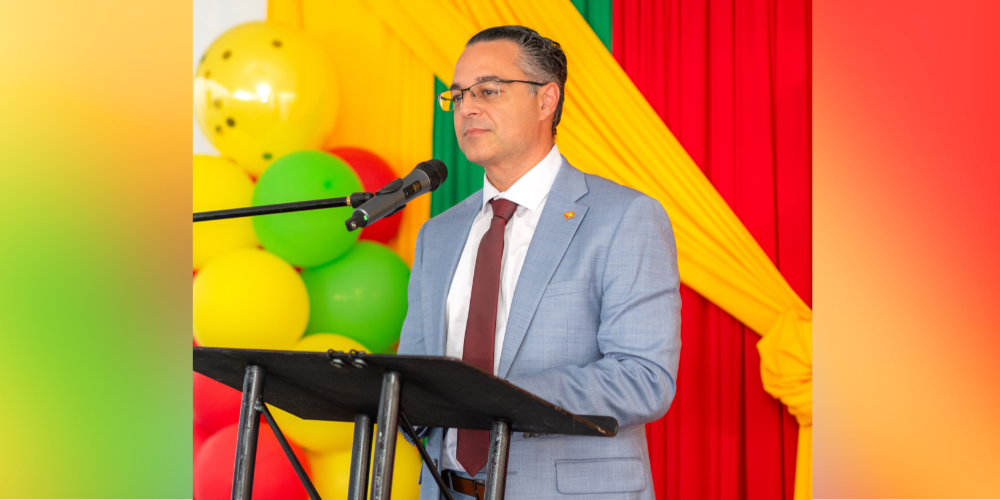
Among those present at the ceremony were SGU senior leaders Dr. Marios Loukas, University president and dean of the School of Medicine, and Dr. Mark Clunes, provost of St. George’s University, who joined government officials and hospital leadership in celebrating the milestone.
According to Dr. Loukas, the project reflects the lasting bond many SGU graduates maintain with Grenada and the community where they trained.
“At St. George’s University, we strive not only to educate physicians but also to instill a lifelong commitment to community involvement,” Dr. Loukas said. “Dr. Becker’s dedication to improving healthcare in Grenada is a remarkable example of how our alumni continue to make a meaningful impact long after they graduate.”
Honoring a personal mission
For Dr. Becker, the project also carries deep personal significance.
His late wife, Dr. Kerry Becker, was diagnosed with triple-negative breast cancer after her first screening mammogram at age 40. She passed away at age 49 after a long battle with the disease.
“This project has always been very personal to me,” Dr. Becker said. “Kerry traveled to Grenada with me many times and was passionate about the humanitarian work we were doing here.”
Naming the mammography suite in her honor ensures her legacy will live on through the lives that may be saved through early detection.
“Our team’s hope is that this center serves as a reminder of how precious life is and how important early diagnosis can be,” he said. “If we stay focused on the mission of detecting breast cancer earlier and thus saving lives, then everything that we worked on towards making this project a reality, will have been well worth it.”