
New Year New Career scholarship: $65K in scholarship support toward your new career as a doctor. Get info

  • Medicine
  • Veterinary
  • Arts & Sciences
  • Graduates
  • School of Medicine
    School of Veterinary Medicine
    School of Arts & Sciences
    School of Graduate Studies
    Alumni
    Experience SGU
    About SGU
    Login

    How to Pay for Medical School: A Financial Planning Guide

    SGU Study Group

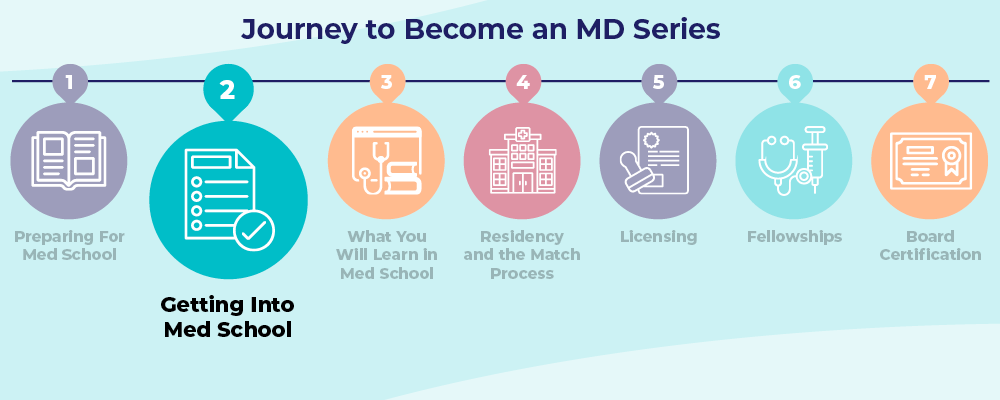
    Journey to Becoming an MD: Step 2

  • Journey to become an MD: Steps to becoming a doctor
  •  

    How much does medical school cost?

    Medical school is a significant investment, and many aspiring doctors wonder how they will afford the cost of earning their degree. The good news is that there are multiple ways to finance a medical education, from scholarships and financial aid to federal student loans and other funding opportunities.

    Understanding your options early can make the process feel more manageable and help you create a financial plan that supports your long-term goals. This guide explores common ways students fund their medical education and resources that may help reduce the financial burden.

    When comparing medical schools, looking beyond tuition alone can provide a more complete picture of affordability. Factors such as cost of living, scholarship opportunities, and available financial aid can significantly impact a student’s total cost of attendance. Understanding these expenses early can help you build a realistic financial plan and identify funding resources that support your goals.

    Understanding SGU’s cost of attendance

    To help prospective students plan effectively, SGU provides detailed information about School of Medicine tuition, fees, and estimated cost of attendance. Reviewing these resources can help you better understand your potential expenses and make more informed decisions as you prepare for medical school.

    How do people pay for medical school?

    Many students use a combination of funding sources to help cover the cost of medical school. Depending on their circumstances, this may include financial aid, federal or private student loans, scholarships, personal savings, military programs, employer assistance, or family support.

    The right approach will vary from student to student, but understanding your options early can help you create a funding strategy that aligns with your educational and financial goals.

    RELATED INSIGHTS: Doctors share how they paid for medical school

    Financial Aid

    Financial aid is often the first place students begin when exploring how to pay for medical school. Completing the Free Application for Federal Student Aid (FAFSA®) can help determine eligibility for federal aid programs and may also be required for certain institutional funding opportunities.

    Because financial aid policies and borrowing limits can change over time, it’s important to stay informed throughout the application process. Students should also work closely with their school’s financial aid office to understand available funding options and eligibility requirements.

    RELATED: 8 Questions for Medical School Financial Aid Officers

    Student Loans

    Student loans are an important resource for many aspiring physicians, helping bridge the gap between savings, scholarships, and the total cost of medical education. Depending on their eligibility and financial needs, students may use a combination of federal and private loans to help cover tuition, fees, housing, and other educational expenses.

    Recent federal student loan changes enacted through the One Big Beautiful Bill Act (OBBBA) have altered certain borrowing programs and loan limits, making it especially important for students to understand their available financing options. SGU’s Financial Transparency resource provides additional information about how these changes may affect current and future medical students.

    The Canadian Ministry of Education recognizes SGU as an institution eligible for student funding support, allowing many Canadian students to access federal and provincial loan programs as well as certain grant opportunities. Canadian applicants can review SGU’s financial aid resources for country-specific information and eligibility requirements.

    Scholarships

    Scholarships can significantly reduce the overall cost of medical school and may lessen the amount students need to borrow. Unlike loans, scholarships generally do not require repayment, making them an important component of many students’ financial plans.

    SGU offers a variety of scholarship opportunities for qualified students, helping make medical education more accessible while reducing overall borrowing needs. Prospective students should explore available scholarship opportunities early, as eligibility requirements and award amounts may vary.

    SGU’s 50th Anniversary Scholarship

    As part of its 50th anniversary celebration, SGU is offering a scholarship opportunity worth up to $50,000 toward tuition for eligible MD students.

    Inspiring future doctors by offering a $50,000 scholarship

    To celebrate the historic milestone of 50 years, we are proud to offer a scholarship to turn ambition into achievement.

    50 Years of Freedom logo

    The award is designed to help make medical education more accessible and can significantly reduce the overall cost of attendance for qualifying applicants. Want to learn more? Visit our 50th anniversary scholarship page to review eligibility requirements, scholarship details, and more.

    Planning for the cost of medical school

    Paying for medical school starts with understanding the full scope of your expected expenses and identifying the resources available to help cover them. Taking time to research tuition, cost of attendance, financial aid, scholarships, and loan options before matriculation can help you make more informed financial decisions.

    Before starting medical school, consider:

    Creating a financial plan early can help you prepare for the responsibilities that come with earning a medical degree. While many students graduate with educational debt, understanding your borrowing needs and repayment options can help you develop a strategy that aligns with your long-term goals.

    Start your future with SGU School of Medicine

    The financial commitment required to attend medical school is real, which is why it’s important to look for a program that not only supports your academic goals but also provides the resources, flexibility, and guidance needed to help you succeed throughout your medical education.

    With multiple start dates, scholarship opportunities, financial aid resources, and a global network of more than 25,000 graduates,1 SGU has helped aspiring physicians from around the world take the next step toward a career in medicine.

    1 Based on the number of students who have completed the Doctor of Medicine program from 1981-2025

    FAQs about paying for medical school

    Is medical school worth the cost?

    The answer depends on your personal and professional goals, but many students view medical school as an investment in a long-term career dedicated to patient care. When evaluating the cost of medical school, it’s important to consider factors beyond tuition alone, including academic support, clinical training opportunities, residency outcomes, and career prospects after graduation.

    Students researching medical schools should also review outcomes data when comparing programs. SGU’s School of Medicine graduates who applied for residency achieved a 95% US residency placement rate2 on average across the 2021-2025 graduating classes.

    Does FAFSA cover medical school?

    Completing the FAFSA® is an important first step for many students seeking financial aid for medical school. While the FAFSA itself does not provide funding, it is used to determine eligibility for certain federal student aid programs and may also be required for institutional financial aid opportunities.

    Is medical school considered a college for FAFSA?

    Yes. On the FAFSA®, medical school falls under the “graduate or professional degree” category. Medical students completing the FAFSA are generally considered independent students for federal financial aid purposes and typically do not need to provide parental financial information.

    Should I create a budget before starting medical school?

    Yes. Creating a budget before starting medical school can help you better understand your expected expenses and identify potential funding gaps before classes begin. In addition to tuition and fees, students should account for housing, transportation, food, books, supplies, health insurance, and other living expenses.

    Building a financial plan early can also help you manage borrowing needs, evaluate scholarship opportunities, and make more informed decisions throughout medical school.


    2Average of 2021, 2022, 2023, 2024 and 2025 residency placement rates. Residency placement rate is defined as the total number of US students/graduates who obtained a US residency divided by the total number of US students/graduates who applied to a US residency program in a given year as of September 2025.

    *This article was updated from November 2025 with the most recent facts and figures available.

    Ready to Take the Next Step?

    At St. George’s University, we’ve helped thousands of aspiring doctors from around the world begin their journey toward a career in medicine. Whether you’re just starting to explore your options or you’re ready to apply, we’re here to support you every step of the way.

    Curious to learn more about SGU’s MD program, student support, or campus life?

    Request more information and see how SGU can help you achieve your goal of becoming a doctor.

    Request Info

    Already know SGU is right for you?

    Start your application today and begin your path to practicing medicine.

    Apply

    Related Articles

    From Dr.eam To Doctor

    Learn more about our MD program and tracks

    Every aspect of our MD program and tracks are intentionally designed to support you on your path to becoming a physician.

    Flexible Start Dates: Choose from multiple entry terms in January, April, or August to begin your medical education at your convenience.

    Program and Track Highlights

    • Global Recognition: SGU’s School of Medicine has been continuously accredited for decades, enabling our students to be eligible to practice in the US.
    • Clinical Training: 85+ hospitals and health systems in the United States, Canada, and the United Kingdom offer clinical and ambulatory training and support
    • Legacy of Excellence: Join the network of over 25,000 graduates* who have impacted healthcare worldwide.
    SGU Graduates Collage

    Connect With Us.

    • Learn more about our MD program and tracks
    • Receive priority invitations to our prospective student events


    April term is for School of Medicine Only.


    At SGU we respect your privacy and will never sell your information to a third party. I understand and agree, that SGU may show me additional educational opportunities available at SGU, programs and services relevant to my request for information. I acknowledge that my data will be collected and shared with selected SGU affiliated partners to improve educational services, marketing, and analytics. You may withdraw consent at any time. These details are also included in our Privacy Policy.
    SGU would like to communicate with you via text at the phone number provided. Please note: Message frequency varies. Message and data rates may apply. Reply STOP at any time to opt-out. Reply HELP for help. View our Privacy Policy . Carriers are not liable for delayed or undelivered messages.
    By clicking SUBMIT, I understand and agree that St George's University (SGU) will use my personal data for the purpose of processing my request for information. Please see our Privacy Policy for further details.


    We will be in touch soon, but if you have questions now, email us at admissions@sgu.edu