

Veterinarians can work in a wide range of environments, from animal hospitals and farms to research labs, zoos, and even government agencies.The workplace settings can vary just as much as the tasks you’ll perform.
But just where do veterinarians work? Join us as we explore some of the different environments you could work in as a veterinarian.
But first, what do veterinarians do?
Veterinarians are medical professionals who diagnose, treat, and help prevent illness and injury in animals. Their responsibilities can include performing exams, prescribing medications, conducting surgery, and advising owners on preventive care to keep animals healthy.
While many people are most familiar with companion-animal veterinarians who treat pets, the field includes several different types of veterinarians. Veterinarians may specialize in areas such as food-animal care, research, public health, or food safety and inspection.
Understanding these different roles can help explain why veterinarians work in so many different environments.
9 places veterinarians work (beyond clinics and hospitals)
While many veterinarians work in animal hospitals or private clinics, these settings represent just one part of the profession. Some veterinarians run their own practices, while others work in specialized clinics focused on areas like surgery, dentistry, or specific animal types.
However, veterinary careers extend far beyond traditional clinical settings. From research labs to wildlife environments, there are many different places veterinarians can work, some of which may surprise you.
1. Zoos and aquariums
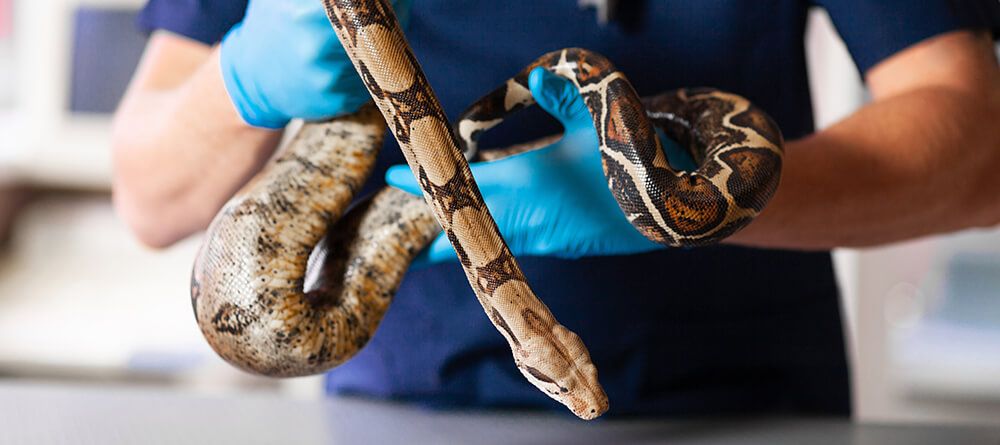
Zoos and aquariums employ veterinarians to care for a wide range of species, from marine life to exotic animals. In these settings, veterinarians monitor animal health, diagnose and treat conditions, and support conservation and breeding programs.
Veterinarians working with wildlife must rely on strong observation skills, as many animals instinctively hide signs of illness or injury. This makes early detection and preventative care especially important in these environments.
2. Food-processing plants
Veterinarians can work throughout the food supply chain, including in food-processing plants that handle animal products. In these roles, they help ensure animals are treated humanely, monitor facility conditions, and enforce food safety regulations.
They may also test for contaminants or drug residues and help prevent the spread of foodborne illness. This work plays an important role in protecting both animal welfare and public health.
3. Farms and ranches
Veterinarians who work with large animals often spend much of their time on farms and ranches, caring for livestock such as cattle, pigs, and sheep. Their responsibilities include diagnosing and treating illnesses, implementing preventive care programs, and supporting herd health management.
These veterinarians may also assist with breeding and reproduction. Because care is delivered on-site, this role often involves traveling between locations and working in a variety of outdoor environments.
4. Colleges and universities
Veterinarians can work in academic settings such as colleges and universities, where they teach students pursuing a Doctor of Veterinary Medicine (DVM). In these roles, they help train future veterinarians by delivering coursework, mentoring students, and supporting clinical education.
Some veterinary faculty also teach other healthcare or science students and may participate in research. Responsibilities can vary depending on the institution and the individual’s area of focus.
5. Laboratories
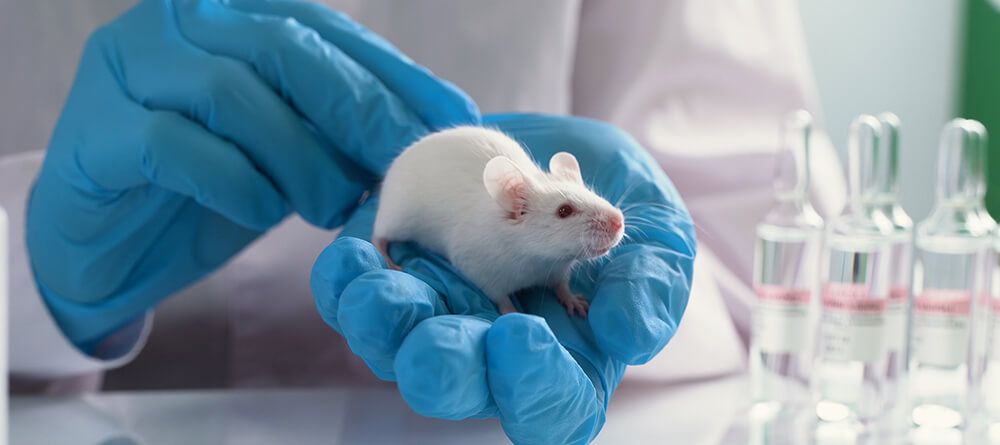
Veterinarians working in laboratories are often involved in research or the care of lab animals. Lab animal veterinarians may provide routine care, monitor disease prevention programs, support ethical standards for animal use, and contribute to research efforts.
Others pursue careers in biomedical research, focusing on areas that impact both animal and human health. This work can include studying infectious diseases, improving food safety, and addressing environmental health concerns, often requiring advanced training in fields such as microbiology or toxicology.
6. Animal shelters
Veterinarians working in animal shelters focus on caring for pets in need of permanent homes. In addition to treating individual animals, they often manage population-level health, helping prevent the spread of disease within shelter environments.
Their responsibilities may include exams, vaccinations, spay and neuter procedures, and coordinating care for large numbers of animals. Shelter veterinarians may also face unique challenges, such as limited medical histories and varying health conditions among incoming animals.
7. Racetracks
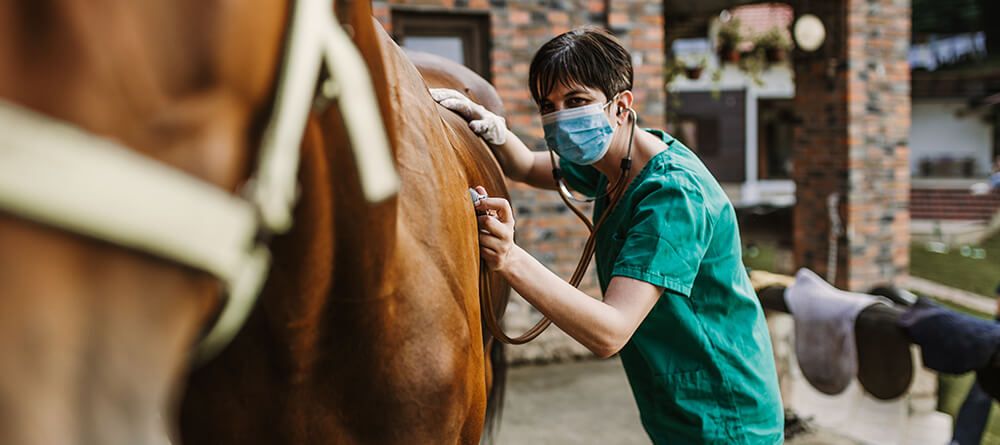
Some equine veterinarians specialize in working with racehorses at racetracks and training facilities. In these roles, they care for horses by diagnosing and treating injuries, monitoring overall health, and collecting samples for drug testing.
They also help ensure compliance with regulations and support fair competition. Because much of their work takes place during training and racing events, racetrack veterinarians often work outdoors and on-site at these facilities.
8. National parks and other open areas
Some wildlife veterinarians work in natural habitats such as national parks, wildlife reserves, and conservation areas. In these settings, they help rehabilitate injured animals, monitor population health, and support conservation efforts.
These roles often involve working outdoors and collaborating with environmental and wildlife organizations to protect ecosystems and animal populations.
9. Offices
Some veterinarians pursue careers in office-based roles outside of clinical practice. These positions can include consulting, where veterinarians provide expertise to organizations or specialize in a particular area of care.
Others work in advocacy, public policy, or regulatory roles that shape animal health standards and legislation. Veterinarians may also apply their expertise to business or communications, such as writing, education, or developing veterinary-related products and services.
Which veterinary path is right for you?
With so many different veterinary career paths available, there are opportunities to match a wide range of interests and goals. Some veterinarians prefer working directly with pets in clinical settings, while others are drawn to research, public health, wildlife conservation, or policy-focused roles.
As you explore your options, consider the type of environment you enjoy, the animals you want to work with, and whether you prefer hands-on care, research, or broader population-level impact.
To pursue any of these paths, you’ll need to earn a Doctor of Veterinary Medicine (DVM). As you begin researching programs, it’s important to understand what to look for in a veterinary school. You can learn more in our article, “6 Things the Top Veterinary Schools Have in Common.”
This article was updated from January 2022 with the most recent facts and figures available.